




The Infrastructure-First Revolution
Introduction: Beyond the Billion-Dollar Valuation
The story of Indian startups has changed at its core. Hitting unicorn status—worth over $1 billion—still matters a lot, but how companies get there looks very different now. The best new companies don’t just have high values; they turn India’s tricky split-up systems into solid digital backbones.
This change shows how India’s startup world has grown up. The days of growing no matter what are gone. Now, it’s all about making money on each sale having deep tech know-how, and business plans that can stand up to competition. For techies, money people, and company starters around the world getting this shift tells you a lot about building tough tech firms in up-and-coming markets.
We’ll look at five groundbreaking companies that became unicorns by fixing big market problems across different fields, from nearby delivery to electric cars and money tech basics.
The New Paradigm: Why Infrastructure Leads Growth Velocity
The Paradigm Shift from Marketplace to Platform
Earlier startup generations concentrated only on linking buyers and sellers via light marketplace models. Now, top startups are highly invested in managing end-to-end value chains ranging from supply acquisition to customer experience optimization.
This infrastructure-first strategy helps attain following advantages:
Predictable Economics: Direct operational control makes possible exact cost modeling and margin management.
This infrastructure-first approach delivers several competitive advantages:
- Predictable Economics: Direct operational control enables precise cost modeling and margin management
- Quality Consistency: Standardized processes reduce variability in service delivery
- Defensible Moats: Deep operational integration creates high switching costs
- Data Advantages: End-to-end visibility generates proprietary insights for continuous improvement
Capital efficiency in the stock
Investors are placing a growing emphasis on capital efficiency in addition to growth. A clear path to profitability makes for an attractive investment, while capital burn without improvement in unit economics raises questions. This mindset shift is causing entrepreneurs to create lasting, rather than fleeting, growth machines.
Case Study 1: Transforming Service Delivery Through Operational Excellence

Urban Company: Professionalizing the Gig Economy
India’s unorganized service sector—encompassing everything from home cleaning to beauty services—historically suffered from trust deficits, pricing opacity, and quality inconsistency. Urban Company addressed these structural challenges by building a comprehensive operational framework rather than a simple matching platform.
Technology Innovation Tracks
Training and Certification Systems
The firm created training modules for service professionals. This ensured a basic level of competence in all services. The effort in human capital quality differentiated the firm from the competition, which utilized inexperienced freelancers.
Dynamic Pricing Algorithms
Rather than being driven by negotiated pricing rates, the Urban Company adopted algorithm-driven pricing systems that depended on the complexity of the task and the level of experience.
Quality Assurance Mechanisms
Customer feedback mechanisms and spot audits ensure a consistent level of service quality. Substandard performers are either retrained or eliminated.
Effects on Labor Market
Aside from consumer convenience, it is important to note that Urban Company was able to formalize income streams for thousands of professionals in the services sector.
Issues and Limitations
The business needs constant operational investment. Unlike marketplace businesses, which do not require major operational investment, the business incurs large operational expenses in terms of training, quality, and customer engagement. It needs to reach adequate density in each region.
Case Study 2: Reimagining Logistics Through Micro-Fulfillment

Zepto: The Economics of Instant Commerce
Zepto challenged conventional e-commerce wisdom by proving that 10-minute delivery windows could coexist with healthy unit economics—provided logistics infrastructure was designed correctly from inception.
Architectural Innovations
Rather than massive centralized warehouses, Zepto operates small fulfillment centers embedded within residential neighborhoods. Each location stocks 2,000–3,000 high-velocity SKUs selected through localized demand analysis.
Inventory Intelligence
Machine learning models predict neighborhood-level demand patterns, enabling optimal stock allocation. This reduces wastage while maximizing order fulfillment rates.
Delivery Radius Discipline
By constraining delivery zones to 2–3 kilometer radiuses, Zepto maintains delivery promise accuracy while controlling labor costs. This geographic discipline prevents the margin erosion common in broader delivery networks.
Market Transformation Effects
Zepto’s success forced established e-commerce giants to reconsider their logistics architectures. The competitive response accelerated innovation across India’s retail technology landscape.
Scalability Considerations
The model requires substantial upfront capital for dark store establishment and inventory investment. Additionally, profitability varies significantly based on population density, limiting immediate applicability to smaller cities.
Case Study 3: Building the Invisible Financial Backbone

Razorpay: Developer-First Fintech Infrastructure
While consumer fintech apps capture public attention, Razorpay built a multi-billion-dollar business by solving developers’ payment integration challenges. Its success demonstrates how infrastructure-layer companies can achieve massive scale without consumer brand awareness.
Platform Evolution Strategy
Phase 1: Payment Gateway Simplification
Early focus on reducing payment integration complexity from weeks to hours through clean APIs and comprehensive documentation.
Phase 2: Horizontal Expansion
Gradual addition of complementary financial services—banking infrastructure, lending products, and compliance automation—created a comprehensive financial operating system.
Phase 3: Vertical Solutions
Industry-specific products addressing unique requirements in education, healthcare, and logistics sectors.
Developer Experience as Competitive Moat
Superior documentation, responsive support, and predictable pricing created strong developer preference, driving organic adoption across India’s startup ecosystem.
Regulatory Navigation
Operating within India’s evolving fintech regulatory framework requires continuous adaptation. Razorpay’s compliance infrastructure itself became a product feature, helping clients navigate complex requirements.
Competitive Landscape
Increasing competition from both domestic fintech startups and global payment processors requires continuous innovation in pricing, features, and service reliability.
Case Study 4: Hardware Innovation Through Software Leadership
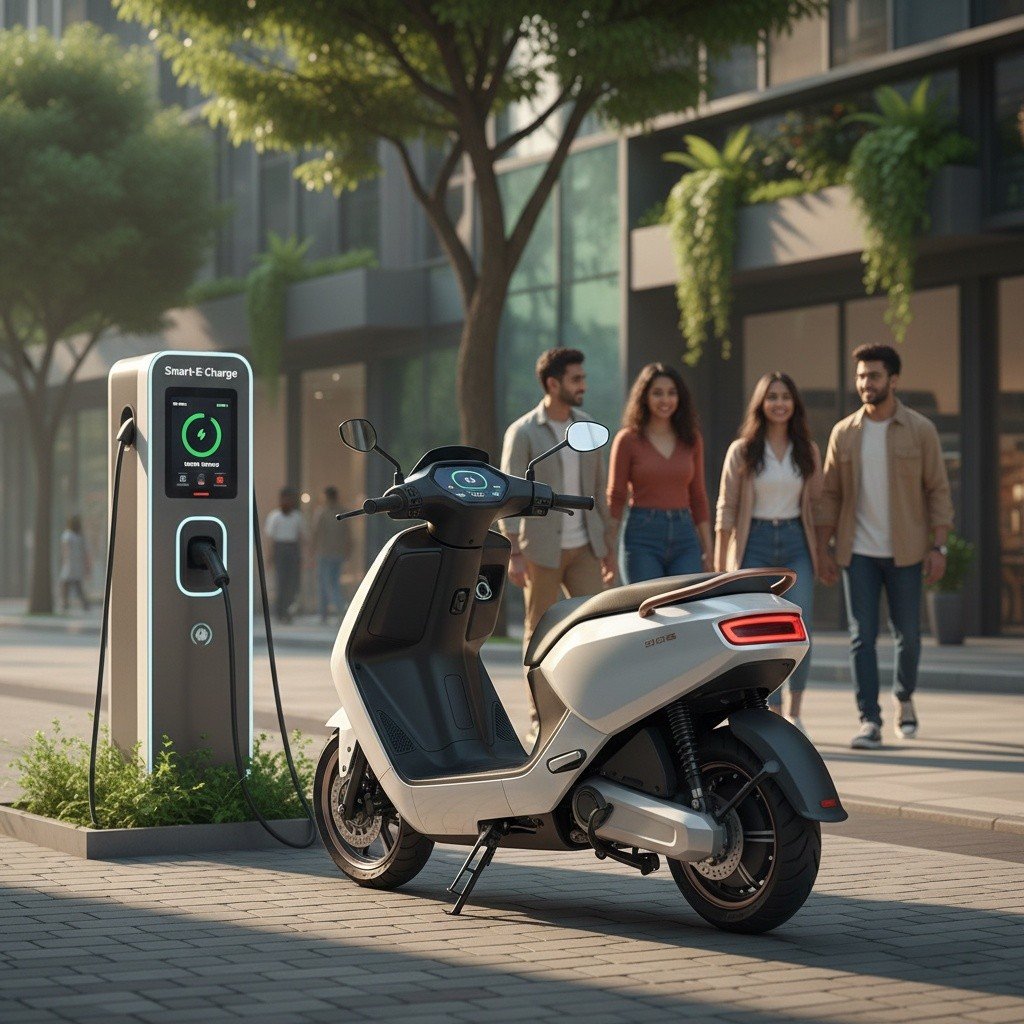
Ather Energy: The Connected Vehicle Paradigm
Ather Energy differentiated itself in India’s crowded electric vehicle market by treating scooters as software platforms rather than mechanical products. This approach enabled continuous improvement and customer engagement long after initial purchase.
Technical Architecture
Over-the-Air Update Systems
Regular software updates improve performance, add features, and optimize battery management without service center visits.
Proprietary Charging Network
Ather Grid provides reliable fast-charging while generating usage data for network optimization.
Integrated Diagnostics and Telemetry
Real-time vehicle health monitoring enables predictive maintenance, reducing breakdown incidents and improving customer satisfaction.
Market Perception Shift
By positioning electric vehicles as premium technology products rather than economy alternatives, Ather expanded the addressable market and influenced industry design standards.
Manufacturing and Supply Chain Complexity
Unlike software businesses, hardware manufacturing requires significant capital investment and faces supply chain vulnerabilities.
Scaling Challenges
Expanding production capacity while maintaining quality standards remains an ongoing challenge.
Case Study 5: Democratizing Financial Access Through Design

Groww: Lowering Investment Barriers Through UX
Groww transformed mutual fund and equity investment from a complex, intimidating process into an accessible mobile experience.
Design Philosophy
Cognitive Load Reduction
Simplified onboarding flows and plain-language explanations enabled first-time investors to start confidently.
Educational Integration
In-app content helped users build financial literacy while engaging with products.
Transparency in Pricing
Clear fee disclosure built trust in a sector historically plagued by opacity.
Market Expansion Impact
Groww expanded India’s investor base, especially in tier-2 and tier-3 cities.
Revenue Model Vulnerabilities
Income tied to transaction volumes creates exposure to market downturns.
Competitive Intensity
The consumer fintech space remains highly competitive.
Strategic Patterns: Common Success Factors
- Technology-Enabled Operational Control
- Discipline Before Expansion
- Problem–Solution Alignment
- Data as a Strategic Asset
Emerging Trends Shaping India’s Next Unicorn Wave
Infrastructure-Layer Opportunities
- Developer tools and APIs
- Compliance & RegTech
- B2B logistics platforms
- Enterprise AI infrastructure
Climate Technology Integration
- Carbon tracking platforms
- Renewable energy infrastructure
- Sustainable logistics
- Circular economy marketplaces
Healthcare Digitization
- Electronic health records
- Telemedicine infrastructure
- Diagnostic AI
- Pharmacy supply-chain platforms
AI-Native Applications
- Personalized learning
- Financial advisory tools
- Indian-language AI content
- Predictive maintenance systems
Investment Perspective: What Funders Prioritize Now
- Unit economics over GMV
- Regulatory readiness
- Founder–market fit
- Capital efficiency benchmarks
Challenges Facing Scaling Startups in India
- Regulatory complexity
- Talent acquisition and retention
- Infrastructure dependencies
- Market fragmentation
Conclusion: Systems Thinking as Competitive Advantage
India’s startup ecosystem has entered a mature phase defined by operational excellence and sustainable value creation. The next generation of unicorns will be built not on speed alone, but on systems, discipline, and long-term thinking.
How do today’s Indian unicorns differ from those that came before?
The latest crop of Indian unicorns takes a different approach compared to earlier startup waves. They don’t chase after quick user growth and sky-high valuations. Instead, they zero in on making each unit of their business profitable keeping a tight grip on operations, and building up infrastructure. These companies put a lot of effort into creating robust in-house systems—think logistics, following regulations, handling payments, or managing supply chains. They’re not just relying on lightweight marketplace models. This strategy helps them stay strong in the long run, predict their profit margins, and weather tough market conditions.
Can consumer-focused startups still become unicorns?
Yes, consumer-focused startups can still reach unicorn status, but it’s tougher now. To succeed, they need clear ways to make money, keep customers coming back, spend less to get new users, and run tight operations. Investors don’t like growth that relies on discounts without making profit. Consumer startups that offer great user experiences solid tech behind the scenes, and clear revenue plans still have a good shot.
Which fields show the most promise for unicorns in the next 5 years?
The best chances are in areas that tackle big deep-rooted problems in India. These include:
Climate tech (tracking carbon building clean energy systems)
AI and data tools (AI platforms for businesses, tools for developers)
Digital healthcare (electronic health records online doctor visits AI for diagnoses)
Business software tailored to Indian rules and ways of working
How has the funding environment changed for Indian startups?
Money is still out there, but investors now want different things. These days, they care about using money , making good profits, following rules, and having a clear plan to make money. Just having lots of users or high sales numbers isn’t enough anymore if you’re not making real money. Startups that show they can run things well and grow get better long-term funding.
What’s the biggest hurdle for growing tech companies in India?
The main challenge is to move fast while dealing with complex rules and operations. India’s different markets, state laws poor infrastructure, and cultural mix mean you need local plans, which cost more to run. Keeping service quality the same while growing across regions also needs big investments in systems, people, and following rules.





0 Comments