Back to News
News AlertWorld Money
PayPal & Meta Muse: Is the Browser Losing the Checkout?
T
Author
Tushar Shrivas
Published
September 26, 2026
Reading Time
3 MIN READ
Spread the Word
PayPal is partnering with Meta's Muse AI agent for shopping and checkout while WebMCP gives AI agents a new way to interact with merchant stores.
WebMCP, PayPal agentic commerce, Meta Muse AI, AI shopping agents, AI checkout, agentic commerce 2026, PayPal WebMCP
The Browser Is Losing Its Job: PayPal and Meta Just Put AI Agents at Checkout
WebMCP, PayPal agentic commerce, Meta Muse AI, AI shopping agents, AI checkout, agentic commerce 2026, PayPal WebMCP
The Browser Is Losing Its Job: PayPal and Meta Just Put AI Agents at Checkout
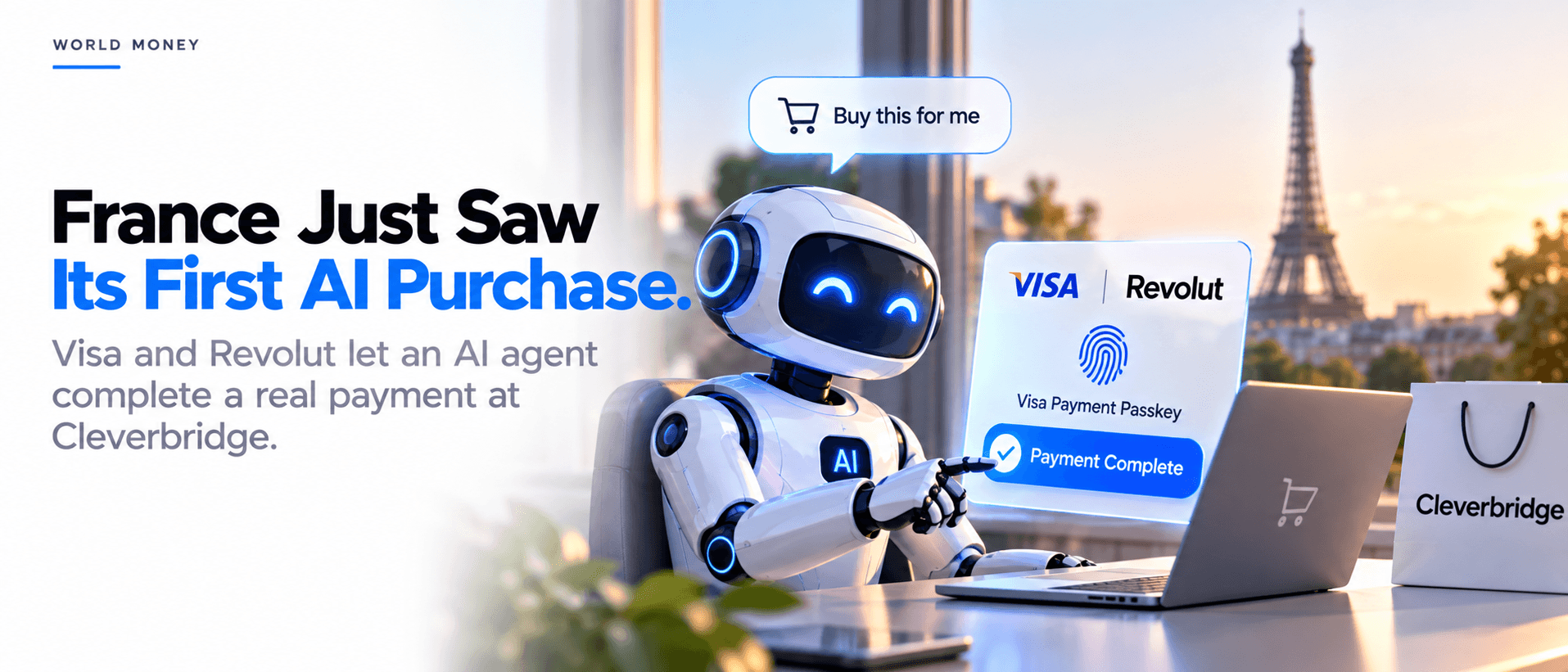
For two decades, online shopping meant opening a browser, searching for products, adding items to a cart and manually completing checkout. That workflow is beginning to change. PayPal has partnered with Meta to let users shop and check out through Meta's Muse personal AI agent across PayPal's merchant network, pushing payments another step toward agentic commerce. PYMNTS
Muse launched on September 8 as Meta's personal AI agent, designed to perform tasks rather than simply answer questions. It can browse the web, fill out forms, negotiate on a user's behalf and continue working in the background. Meta says Muse can already complete purchases using Link from Stripe, with Shop Pay and 1Password support also planned. Meta
The new PayPal partnership adds another payment option to that agentic shopping model. PayPal says customers will be able to use their Muse personal AI agents to shop and check out across PayPal merchants worldwide. The company's announcement positions the partnership as part of a broader transition in which AI agents can handle product discovery and purchasing on behalf of consumers. PayPal
WebMCP Is Building the Other Half
WebMCP Is Building the Other Half
At almost exactly the same time, PayPal has been working on another piece of the puzzle: WebMCP. On September 16, PayPal said it was supporting the emerging WebMCP standard, which gives compatible AI agents a structured way to discover products and interact with merchant storefronts instead of relying only on traditional webpage scraping. PayPal Developer
PayPal's WebMCP implementation can expose structured shopping tools for product discovery, availability and cart operations. The company says compatible agents can discover products and then hand off to secure PayPal checkout, while the shopper remains in control of the payment approval. PayPal webmcp
That distinction is important. WebMCP is not simply a new payment button. It is about giving AI agents a standardized way to interact with the commercial web. PayPal's existing Agentic Commerce Services already allow merchants to make products discoverable to AI shopping assistants and support transactions through AI platforms. PayPal Developer
Image
From “Search” to “Buy”
The economic change could be significant if consumers start delegating more shopping decisions to AI. Instead of searching ten websites for a product, comparing prices and manually checking out, a consumer could tell an agent what they want and allow it to handle discovery, comparison and purchasing within defined permissions. Meta's Muse is explicitly designed around this type of delegated task execution. Reuters
But the transition isn't frictionless. Amazon has blocked Muse from making purchases on its platform, citing concerns around unauthorized access and its terms of use. That shows the central conflict in agentic commerce: merchants want control over their customer relationships and systems, while AI platforms want agents to operate across the open web.The Verge

Tushar Shrivas
B.Tech CS@ Shri Balaji Institute of Technology & Management
I write at Metaplugs — breaking down the latest in tech, economics, and business into simple, impactful stories for everyday readers. Passionate about software testing and global finance.