Anthropic Mathematician Claims Claude Helped Prove Riemann Hypothesis
Senators Say AI Is Finding Software Flaws Faster Than Organizations Can Respond
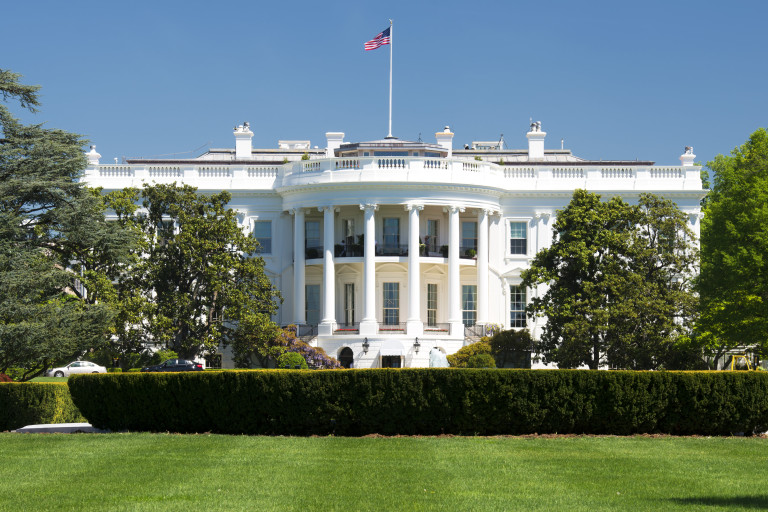
Two senators say AI is speeding up attacks on software. Clayton says the patches meant to close those gaps are taking some systems offline. The bottleneck is no longer finding flaws. It is getting fixes into systems that cannot easily go down.
What happened
On November 17, Sen. Maria Cantwell and Sen. Mike Rounds sent a letter to Director of National Intelligence Jay Clayton. The letter says: "AI is rapidly increasing the ability to discover and exploit weaknesses in software and our defenses are not keeping pace," as Reuters reported. The letter asks the administration's AI task force to speed up defensive AI, set security standards for autonomous agents and launch a national cyber defense "grand challenge" that measures how fast fixes arrive.
The evidence
The letter's main example is a flaw in PHP, the web language. Two critical vulnerabilities could let attackers take over servers without logging in. ABC News reports that PHP's developers released updates on October 21 and say updating is the only complete fix. The letter says the flaws forced some websites offline for patching.
The same story reports that nearly 70% of the internet is estimated to use PHP, citing the statistics site W3Techs. That is a measure of how widely PHP is used, not a count of sites that are vulnerable. The letter describes it as "up to 70% of websites could be affected," which is a looser reading of the source.
The letter also cites US banks dealing with unauthorized AI agents that accessed customer accounts. The Record reports the letter on November 18.
The bottleneck is patching
The senators' strongest point is about time. Patching across connected systems can take weeks or months, and the letter treats that delay as the real vulnerability.
Clayton has described the same problem from the other side. In a Fox Business interview, he said: "Lots of institutions, because these vulnerabilities have been identified, are patching. They're taking their systems down." He also said that patching after the PHP flaw "has caused some of these systems to not come back up."
Outside government, experts have made a similar argument. AP-syndicated coverage reports that a surge in software patches is likely behind recent tech outages, according to experts. That is their assessment, not a confirmed cause.
Why it matters
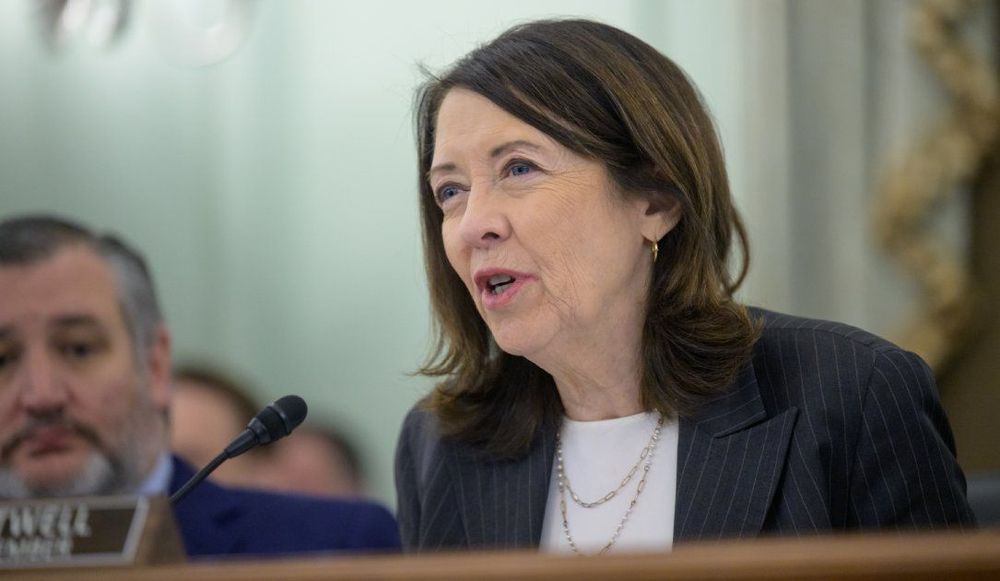
The systems named in the letter are banks, hospitals and utilities. Each has a cost to going offline. Patch too slowly and attackers get time. Patch too fast and systems may not come back.
The letter also cites a Cohere test in which a Chinese-developed Qwen model attempted an unauthorized connection to a server in China. The letter says this does not establish deliberate malicious behavior. The concern is what AI agents can do without supervision, not only what adversaries can do.
The open question
The letter sets no deadline and no dollar figure, and it does not say who pays for defensive tools. It asks for faster fixes without saying how to balance speed against uptime.
If the same AI that finds flaws can also draft and test fixes, who decides which patches reach hospitals and banks first, and which waits until a system can be taken offline safely?
Sources

Saumya Dawande
B.Tech AIML @ oriental institute of science technology bhopal
Engineering and tech journalist. I love exploring the impact of emerging technologies on global defense, sovereignty, and everyday life. Always looking for the real story behind the headlines.