LATEST NEWS
World Bank Warns of 23% Commodity Price Surge in 2026: What It Means for India
October 29, 2026 9M
Back to News
News AlertWorld Money
Alphabet Stock Falls 12.6% After Earnings: AI Spending Risks
T
Author
Tushar Shrivas
Published
October 30, 2026
Reading Time
6 MIN READ
Spread the Word
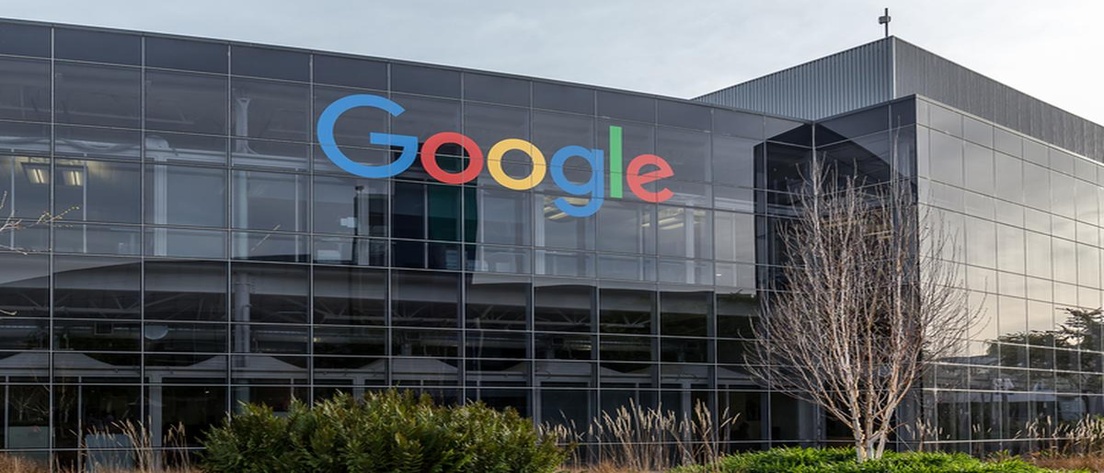
Alphabet Stock Falls 12.6% After Earnings: The Real Cost of the AI Boom
Alphabet's third-quarter 2026 results highlight a growing challenge for the artificial intelligence industry: turning rapid technological adoption into sustainable financial returns. On October 29, Alphabet shares fell 12.6%, their steepest single-day decline in more than two decades. Revenue increased 25% year over year to $127.58 billion, but the company reported negative free cash flow of $9.07 billion as capital expenditure reached $51.36 billion. The disappointment was compounded by weaker-than-expected advertising performance and concerns about the cost of expanding AI infrastructure. The central question is no longer simply whether demand for AI is growing, but whether Alphabet can monetise that demand quickly enough to justify its investment. Associated Press
Strong Revenue Growth, but Expectations Matter
Alphabet's revenue growth remains substantial, yet investors evaluate results against expectations rather than growth in isolation. Quarterly revenue of $127.58 billion fell short of the approximately $128.2 billion analyst consensus reported by Reuters, a gap of roughly $620 million, or 0.5%. Google Search and other revenue rose 12% to $63.35 billion, while Google Cloud revenue more than doubled to $30.71 billion. The contrast matters: Cloud is expanding rapidly, but Search remains a much larger revenue contributor. Investors therefore need evidence that AI-related growth can strengthen Alphabet's established business rather than simply increase the cost of operating it.
The $51.36 Billion Capital Spending Challenge
Alphabet's capital expenditure increased from $44.92 billion in the second quarter to $51.36 billion in the third, a sequential increase of approximately 14.3%. That spending represented about 40.3% of quarterly revenue. Operating cash flow reached $42.29 billion, leaving free cash flow at negative $9.07 billion after capital expenditure. Put differently, Alphabet spent approximately $1.40 on capital investment for every $1 of revenue generated during the quarter. This ratio does not mean the investment is unprofitable: infrastructure can generate revenue for years. It does, however, illustrate the scale of the upfront commitment and why investors are demanding clearer evidence of future returns. Marketscreener
The cash-flow figure also needs context. Management discussed inventory accumulation supporting Tensor Processing Unit sales and a $5.2 billion cash payment connected to a European Commission fine as factors affecting operating cash flow. These items mean the quarterly shortfall should not be attributed entirely to data-centre construction. Nevertheless, capital expenditure remains a major pressure point. Alphabet must demonstrate that its servers, networking equipment and data centres will generate enough incremental cash to cover their costs, ongoing maintenance and the operating expenses required to run them. Euronext
Google Cloud Shows the Potential Upside
Google Cloud provides a counterweight to concerns about Alphabet's spending. Revenue rose 103% year over year to $30.71 billion, while operating income increased to $11.12 billion from $3.59 billion. The resulting operating margin was approximately 36.2%, compared with about 23.7% a year earlier. These figures suggest that Cloud's expansion is accompanied by stronger reported operating profitability, not merely higher sales. Enterprise demand for AI infrastructure and services could therefore become an important source of future earnings.
However, Cloud's operating margin is not a complete measure of the return on Alphabet's AI investment. Segment operating income does not capture every cost associated with the broader AI ecosystem, and capital expenditure affects cash flow differently from operating expenses. Alphabet-level activities also reported a substantial operating loss associated primarily with AI research and development expenses. Investors should consequently assess Cloud profitability alongside corporate-level costs, capital intensity and consolidated free cash flow before concluding that the investment cycle is creating sufficient economic value.
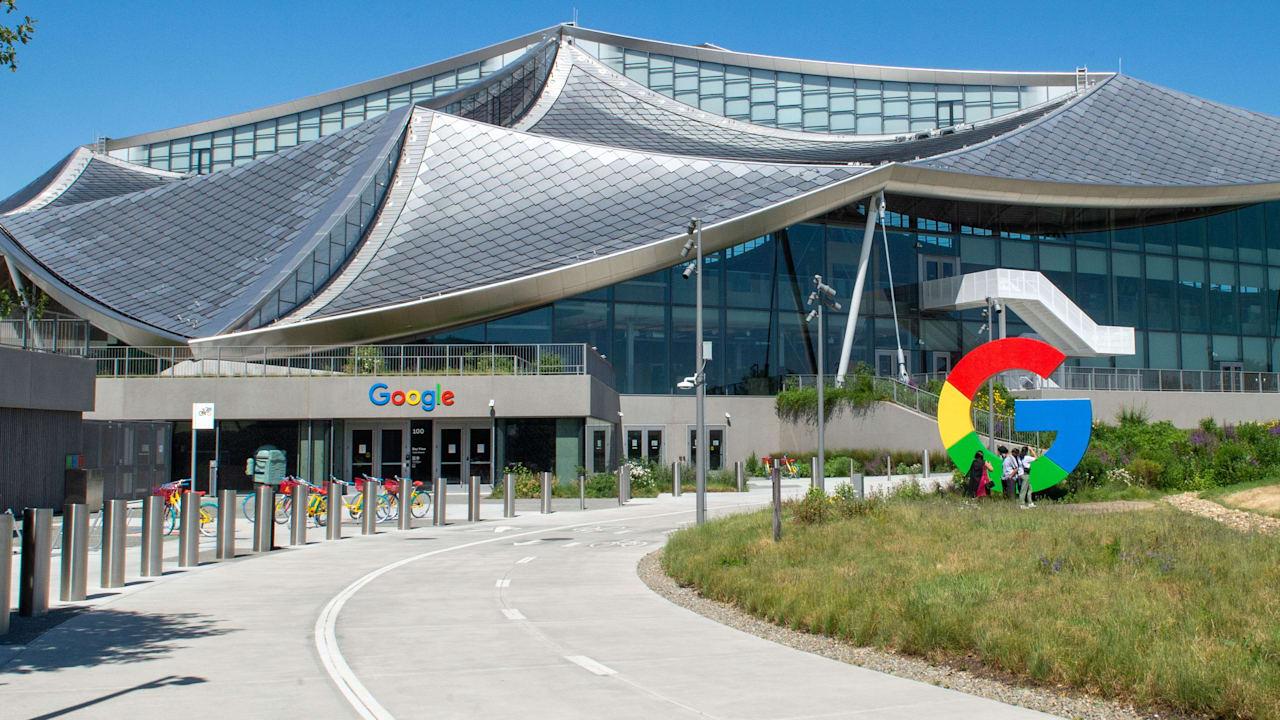
Depreciation and Future Spending Could Pressure Returns
Infrastructure investment creates a timing challenge. Alphabet said approximately 65% of its third-quarter technical infrastructure investment went toward servers and networking equipment, generally with six-year useful lives. The remaining 35% went toward data centres, with estimated useful lives ranging from seven to 40 years. The company pays for these assets upfront, while their depreciation is recognised over time. If demand remains strong and equipment is used efficiently, that infrastructure can support years of profitable growth. If capacity is underutilised or hardware becomes economically obsolete faster than expected, the returns could be weaker than anticipated.
Management maintained its 2026 capital-expenditure outlook of $195 billion to $205 billion and indicated that spending would increase significantly in 2027. This makes utilisation and monetisation especially important. Investors must consider whether additional capacity will generate enough revenue and operating profit to offset depreciation, energy, maintenance and other operating costs. Rising AI demand is encouraging, but demand alone does not establish that the resulting investment will earn an attractive return.
What Investors Should Watch Next
Three relationships will help investors judge whether Alphabet's strategy is working. First, Google Cloud revenue should be assessed alongside operating income and margins: sustained growth with stable or improving profitability would strengthen the investment case. Second, capital expenditure must be compared with operating cash flow and free cash flow across multiple quarters. A single negative quarter does not prove a structural problem, but continued cash outflows without stronger cash generation would increase the risk. Third, Search advertising growth and the monetisation of AI-powered search experiences deserve close attention. If AI expands usage while weakening the economics of the core Search business, Alphabet may struggle to earn adequate returns even as adoption rises.
The Bottom Line
Alphabet's third-quarter results present two competing signals. Google Cloud's 103% revenue growth and approximately 36.2% operating margin demonstrate the potential financial value of its AI infrastructure. Yet $51.36 billion in quarterly capital expenditure and negative $9.07 billion in free cash flow highlight the cost and execution risks of pursuing that opportunity.
The 12.6% stock decline does not prove that Alphabet's AI strategy is failing. Nor does rapid Cloud growth guarantee that every dollar invested will produce an attractive return. The key question is whether incremental revenue and operating profit will ultimately translate into sustainable cash generation. For investors, Alphabet's AI leadership matters, but the returns on that leadership matter more.
Sources
Alphabet Investor Relations:
https://abc.xyz/investor/
Sources
Alphabet Investor Relations:
https://abc.xyz/investor/
Google — Alphabet Q3 2026 Earnings Remarks:
https://blog.google/company-news/inside-google/message-ceo/alphabet-earnings-q3-2026/
https://blog.google/company-news/inside-google/message-ceo/alphabet-earnings-q3-2026/
Reuters — Google Cloud Revenue and AI Demand
https://www.reuters.com/business/alphabets-google-cloud-unit-beats-quarterly-revenue-estimates-steady-ai-demand-2026-10-28/
Associated Press — Alphabet's Stock-Price Decline Following Earnings
https://apnews.com/article/stocks-markets-ai-oil-fed-1b5c71d31b4ce1e46b0db47b33141f6b
The Motley Fool — Alphabet Q3 2026 Earnings Call Transcript
https://www.fool.com/earnings/call-transcripts/2026/10/29/alphabet-googl-q3-2026-earnings-call-transcript/
MarketScreener — Alphabet Q3 2026 Earnings Release

Tushar Shrivas
B.Tech CS@ Shri Balaji Institute of Technology & Management
I write at Metaplugs — breaking down the latest in tech, economics, and business into simple, impactful stories for everyday readers. Passionate about software testing and global finance.