Back to News
News AlertWorld Money
World Bank Warns of 23% Commodity Price Surge in 2026: What It Means for India
T
Author
Tushar Shrivas
Published
October 29, 2026
Reading Time
9 MIN READ
Spread the Word
A 23% Commodity Surge Is More Than an Energy Story
Global commodity markets are facing a significant supply shock. In its October 28, 2026, *Commodity Markets Outlook*, the World Bank forecast that global commodity prices would increase by 23% this year, driven by geopolitical conflict, energy supply disruptions and pressure on agricultural markets. The forecast matters because commodities sit at the beginning of global supply chains. When energy, metals and agricultural inputs become more expensive simultaneously, the effects can spread to manufacturers, transport operators, food producers and households. World Bank
The aggregate forecast does not mean that every commodity will rise by 23%. The World Bank expects energy prices to increase by 32%, metals and minerals by 25%, and fertilizer prices by 14% in 2026. Food commodity prices are projected to rise by approximately 10% this year and another 7% in 2027. These differences matter because each category affects the economy through a different channel: energy influences transport and production, metals affect industrial investment, and food and fertilizer prices influence agricultural costs and household budgets. World Bank
Why Oil Supply Disruptions Are Driving the Forecast
Why Oil Supply Disruptions Are Driving the Forecast
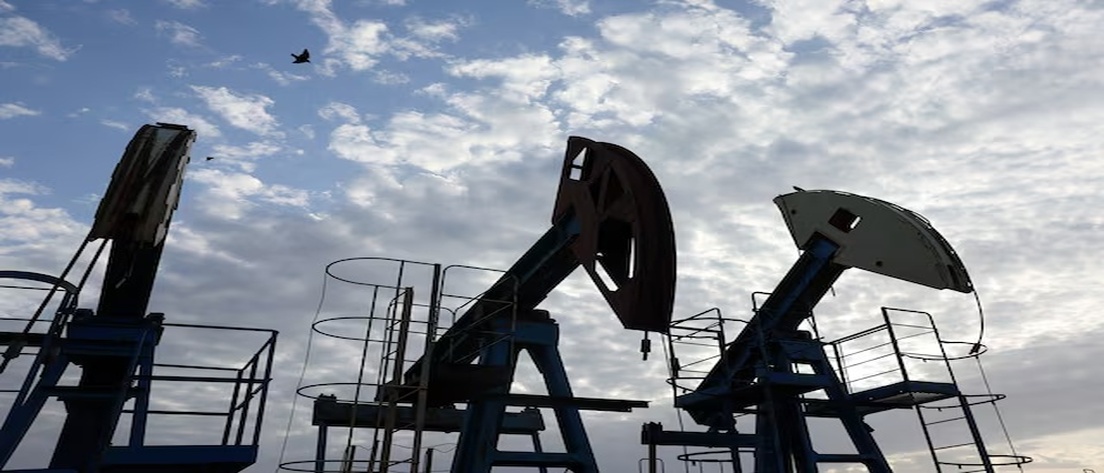
Energy is the central pressure point. The World Bank expects Brent crude oil to average $91 per barrel in 2026, compared with $69 in 2025, before easing to $79 in 2027. The increase reflects severe supply disruptions associated with the conflict in the Middle East. The forecast also highlights the vulnerability created by falling oil inventories: when available stocks are depleted, an additional shipping interruption or production loss can have a greater effect on prices. Reuters
The supply figures underline the seriousness of the situation. Global oil supply is projected to fall by 5.2% in 2026, while consumption is expected to decline by 2.5%. Lower demand would normally ease price pressure, but it does not guarantee cheaper oil when supply contracts more sharply and inventories continue to fall. Prices will depend on the duration of disruptions, the speed at which production and shipping recover, and the extent to which consumers reduce consumption.
AI Data Centres and Metals Demand: A Separate Pressure Point
The energy shock is not the only development affecting commodity markets. The World Bank forecasts that metals and minerals prices will rise by 25% in 2026, with aluminium, copper and tin reaching record highs. Demand from renewable energy infrastructure, electric vehicles and data centres is contributing to the increase, alongside supply disruptions. These industries require substantial electrical infrastructure and industrial materials, making the availability of key metals increasingly important.
The longer-term demand picture is also important. The International Energy Agency identifies electricity networks, renewable energy, electric vehicles and battery storage as major drivers of demand for energy-related minerals. Copper is particularly important because it is widely used in electricity infrastructure. However, long-term demand growth does not mean metal prices must rise continuously: new supply, recycling, substitution and weaker industrial activity can change the balance.
For investors, the distinction between producers and users of metals is crucial. Mining companies may benefit from higher selling prices, but their profits also depend on extraction costs, debt, capital expenditure and production volumes. Manufacturers that purchase expensive metals may face margin pressure unless they can pass costs on to customers. Rising commodity prices alone are therefore not a sufficient reason to buy a company's shares.
India’s Oil Import Bill: Where the Global Shock Becomes Local
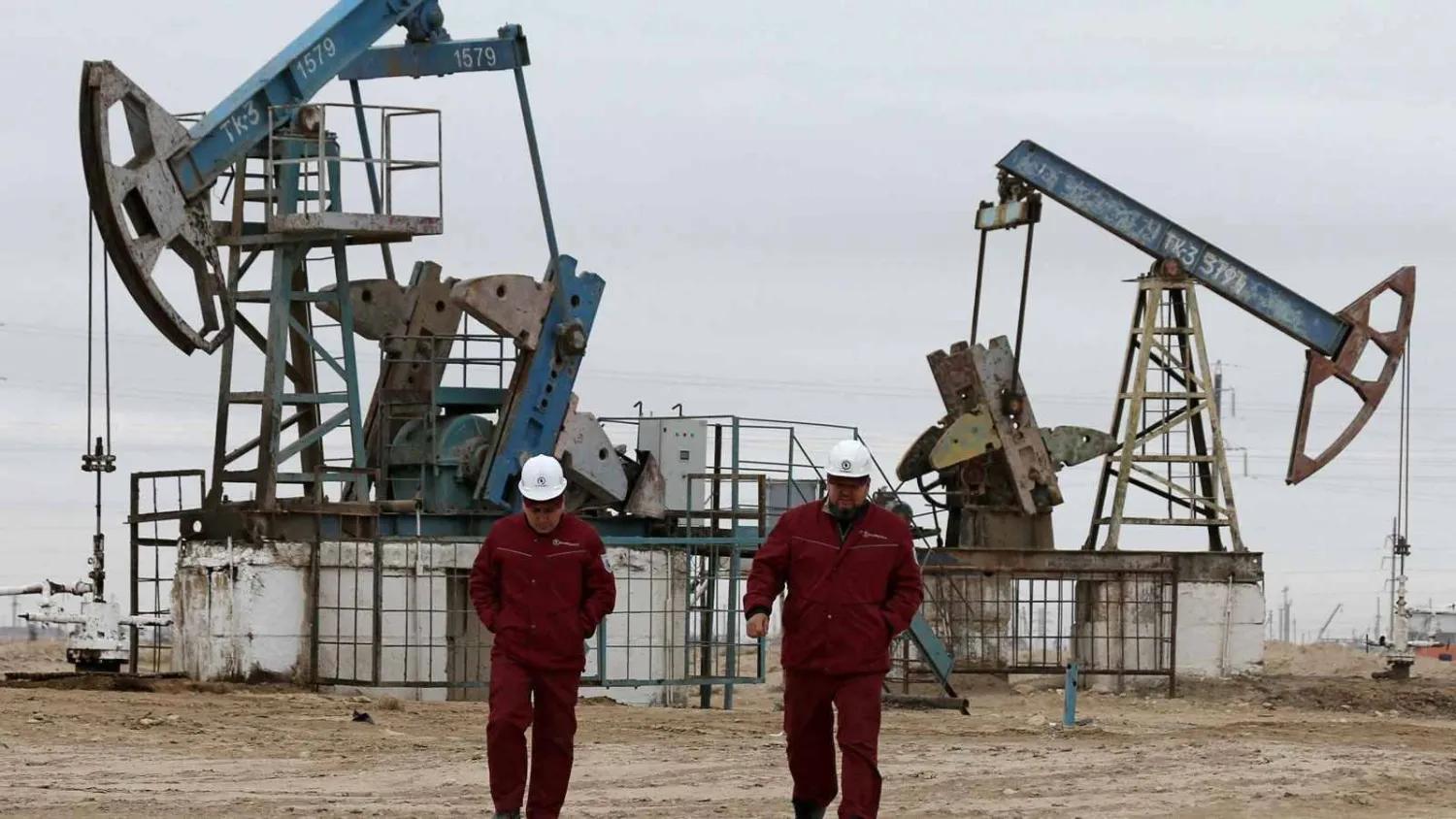
India is particularly exposed to international oil prices because domestic production supplies only a portion of its consumption. According to the Government of India, crude oil import dependence reached a provisional 88.7% in financial year 2025–26. That reliance means international price movements can materially affect India's import expenditure, although the final impact also depends on import volumes, the rupee-dollar exchange rate, the mix of suppliers and domestic fuel-pricing decisions.
Historical data illustrate the scale of this exposure. The IMF reported that India's oil import bill reached approximately $209 billion in FY2022–23 after international oil prices surged following Russia's invasion of Ukraine. That was equivalent to around 6.2% of GDP. The IMF also cited an estimate that a sustained $10-per-barrel increase in oil prices could add about 0.4 percentage points of GDP to the current-account deficit under the assumptions used in its analysis. These are historical figures and sensitivity estimates, not predictions of India's 2026 import bill.
The mechanism is straightforward, but the outcome is not automatic. If crude prices rise while the rupee weakens against the US dollar, the cost of imported oil in rupee terms can increase further. That can put pressure on the current account and raise costs for fuel-intensive businesses. However, domestic petrol and diesel prices also depend on taxes, subsidies, oil marketing company decisions and government policy. Higher international oil prices therefore create inflationary pressure without guaranteeing an equivalent increase at Indian fuel stations. Reserve Bank of India
Could Higher Commodity Prices Delay RBI Rate Cuts?
The risk extends beyond India's import bill. If higher energy, transport and food costs feed into broader inflation, the Reserve Bank of India may have less room to ease monetary policy. However, the RBI does not respond mechanically to a single commodity forecast. The persistence of inflation, domestic demand, inflation expectations and the extent to which businesses pass higher costs to consumers all influence monetary policy decisions.
The RBI's research on crude oil shocks illustrates the potential trade-off. Its January 2019 analysis estimated that a $10-per-barrel increase in crude prices could raise inflation by roughly 49 basis points if the shock were passed through, or increase the fiscal deficit by approximately 43 basis points of GDP if the government absorbed the entire shock. These estimates are based on the study's historical model and should not be treated as precise predictions for 2026.
For businesses, the important distinction is between a temporary cost shock and persistent inflation. A brief increase may be absorbed through existing margins or contracts. A prolonged increase can influence pricing decisions, wage negotiations, investment plans and household purchasing power. The longer the shock lasts, the greater the possibility that an initial rise in input costs becomes a broader economic problem.
What Investors and Businesses Should Watch
For investors, the relevant question is not simply which commodities are rising, but which companies can translate higher prices into sustainable earnings. Commodity producers may benefit from stronger selling prices, while airlines, logistics operators and manufacturers may face higher expenses. Investors should examine operating margins, debt, capital expenditure, pricing power and the duration of the price shock rather than assume that all commodity-linked companies will benefit.
Businesses can use the forecast to test their budgets against multiple scenarios. A manufacturer could calculate how higher fuel and raw-material costs would affect operating margins, while a logistics company could review fuel-adjustment clauses in customer contracts. Import-dependent businesses could also assess their exposure to exchange-rate movements. These measures cannot eliminate market risk, but they can identify where higher costs would put the greatest pressure on cash flow. World Bank
Why Commodity Prices Could Fall in 2027
The World Bank's baseline forecast does not assume that the 2026 increase will continue indefinitely. It projects overall commodity prices to decline by 7% in 2027 and Brent crude to average $79 per barrel, compared with $91 in 2026. This outlook depends on the assumption that supply conditions do not deteriorate substantially further and that current pressures begin to moderate.
However, the risks are tilted toward a worse outcome if several disruptions occur together. The World Bank warns that further escalation in the Middle East, continued damage to Russian oil infrastructure, additional disruption to Black Sea grain shipments and a very strong El Niño could worsen the outlook. In its adverse scenario, Brent could average $105 per barrel in 2027, while food commodity prices could be 12% above the baseline forecast. This is a risk scenario, not the central forecast.
The difference between these two scenarios is central to the story. Commodity prices could moderate if supply conditions improve, but businesses and policymakers cannot assume that recovery is guaranteed. The outcome depends on geopolitics, production, shipping and weather. Investors should avoid basing decisions on a single forecast, while businesses should prepare budgets for a range of possible input costs rather than rely exclusively on the baseline oil-price assumption.
The Bottom Line
The World Bank's 23% commodity-price forecast is a warning about the combined effects of geopolitical conflict, energy supply disruptions, agricultural risks and demand for industrial metals. The most immediate pressure comes from energy, but the effects can spread into transport, manufacturing, food production and household budgets. India's dependence on imported crude makes the outlook particularly relevant to its import bill, currency exposure and inflation risks.
The central insight is that the size of the price increase is only part of the story. Its duration will help determine whether businesses can absorb higher costs, whether consumers face more persistent price pressure and whether central banks need to maintain tighter monetary conditions. The World Bank expects commodity prices to ease in 2027, but its adverse scenario shows why that outcome cannot be taken for granted.
Sources
Sources
Commodity Markets Outlook — October 2026
https://documents.worldbank.org/en/publication/documents-reports/documentdetail/099741210282619392
https://documents.worldbank.org/en/publication/documents-reports/documentdetail/099741210282619392
World Bank Forecasts a 23% Rise in Commodity Prices in 2026
https://www.reuters.com/business/world-bank-sees-commodity-prices-up-23-2026-due-middle-east-war-other-shocks-2026-10-28/
https://www.reuters.com/business/world-bank-sees-commodity-prices-up-23-2026-due-middle-east-war-other-shocks-2026-10-28/
The Impact of Crude Price Shocks on India's Current Account, Inflation and Fiscal Deficit
https://rbi.org.in/Scripts/MSM_Mintstreetmemos17.aspx
https://rbi.org.in/Scripts/MSM_Mintstreetmemos17.aspx
Commodity Markets — Data and Historical Trends
https://www.worldbank.org/en/research/commodity-markets
https://www.worldbank.org/en/research/commodity-markets

Tushar Shrivas
B.Tech CS@ Shri Balaji Institute of Technology & Management
I write at Metaplugs — breaking down the latest in tech, economics, and business into simple, impactful stories for everyday readers. Passionate about software testing and global finance.