Back to News
News AlertWorld Unicorn
Blacksmith Raises $66M at a $1B Valuation
V
Author
Vicky Galfat
Published
October 31, 2026
Reading Time
9 MIN READ
Spread the Word
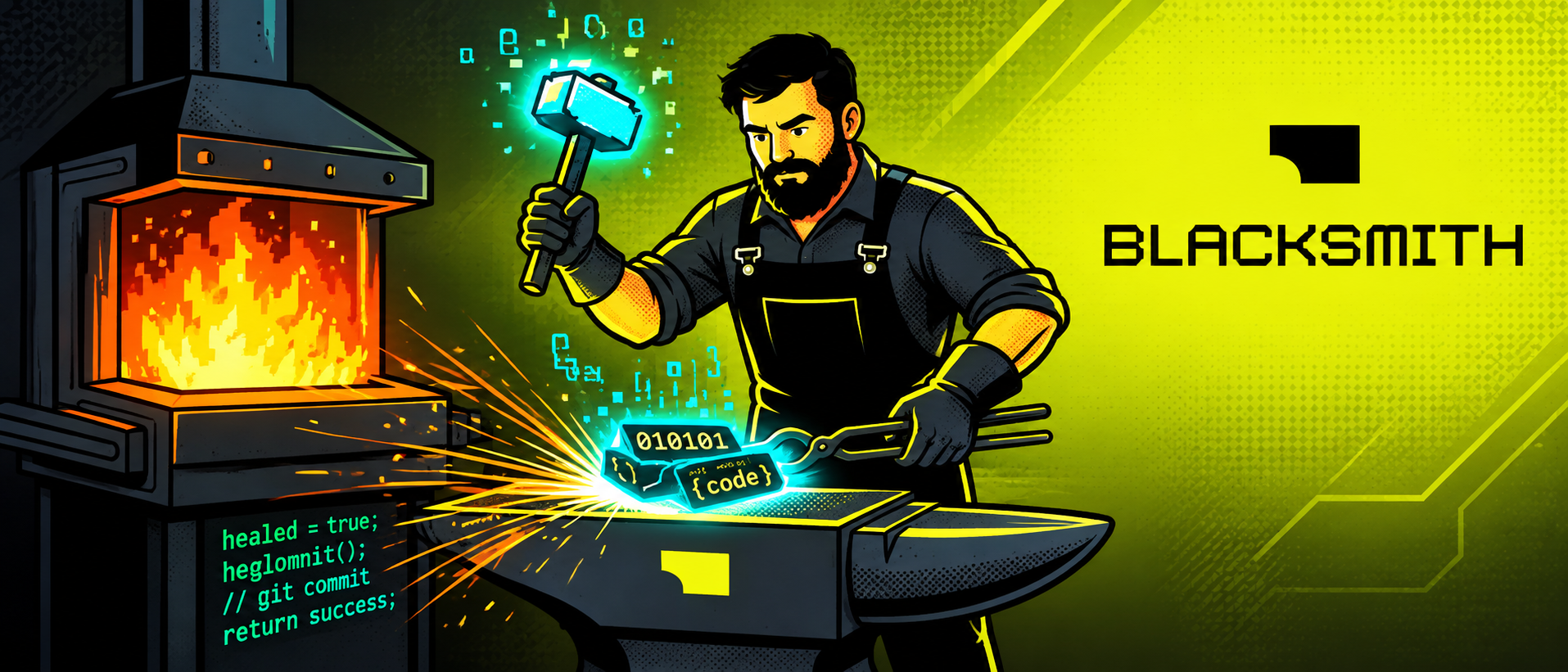
Blacksmith raises $66M in a Sequoia-led Series C at a $1B valuation, becoming a unicorn as AI-generated code drives demand for faster testing.
What Does the Source Say?
What Happened?
Developer infrastructure startup Blacksmith has officially entered the unicorn club after announcing a $66 million Series C funding round led by Sequoia Capital on October 21, 2026. The investment values the company at $1 billion, giving it unicorn status and bringing its total funding to approximately $125 million. Premji Invest joined the round alongside existing investors Peak XV Partners, GV and Y Combinator. The funding will support team expansion and additional computing infrastructure. Blacksmith's official Series C announcement
Founded in 2024, Blacksmith operates in the software development infrastructure market, focusing on continuous integration (CI), automated testing and developer productivity. Its platform helps engineering teams build and validate code changes before they are merged into larger codebases or deployed. The company is positioning its infrastructure around a growing challenge: AI coding tools can generate software faster, but every change still needs to be built, tested and checked before release. Fortune's funding report
The company's valuation has increased substantially through successive funding rounds. Blacksmith's September 2025 Series A reportedly valued the startup at approximately $60 million, while its $45 million Series B was valued at $550 million. The new Series C valuation of $1 billion represents an approximately 16.7-fold increase over the reported Series A valuation in about 13 months. This comparison uses previously reported private funding valuations rather than a publicly traded market price. TechCrunch's Series C report
What Does the Source Say?
Blacksmith's official announcement highlights the growing importance of infrastructure that supports software testing and validation. The company reported that its annual recurring revenue (ARR) has increased 17 times since January 2026. Over the same period, its weekly continuous integration workload grew from approximately 5 million jobs to more than 90 million. These are company-reported operating figures rather than independently audited financial results. Building the CI Cloud: Blacksmith's Series C
The company also reported that more than 10,000 organizations use its platform, including Mercury, Granola, Handshake and LangChain. It manages just under 10 megawatts of computing capacity across data centers in the United States and Europe. Blacksmith intends to expand that computing footprint by five times in 2027, according to its announcement. Fortune
Understanding Blacksmith's Technology
Blacksmith's central product is its CI cloud infrastructure.
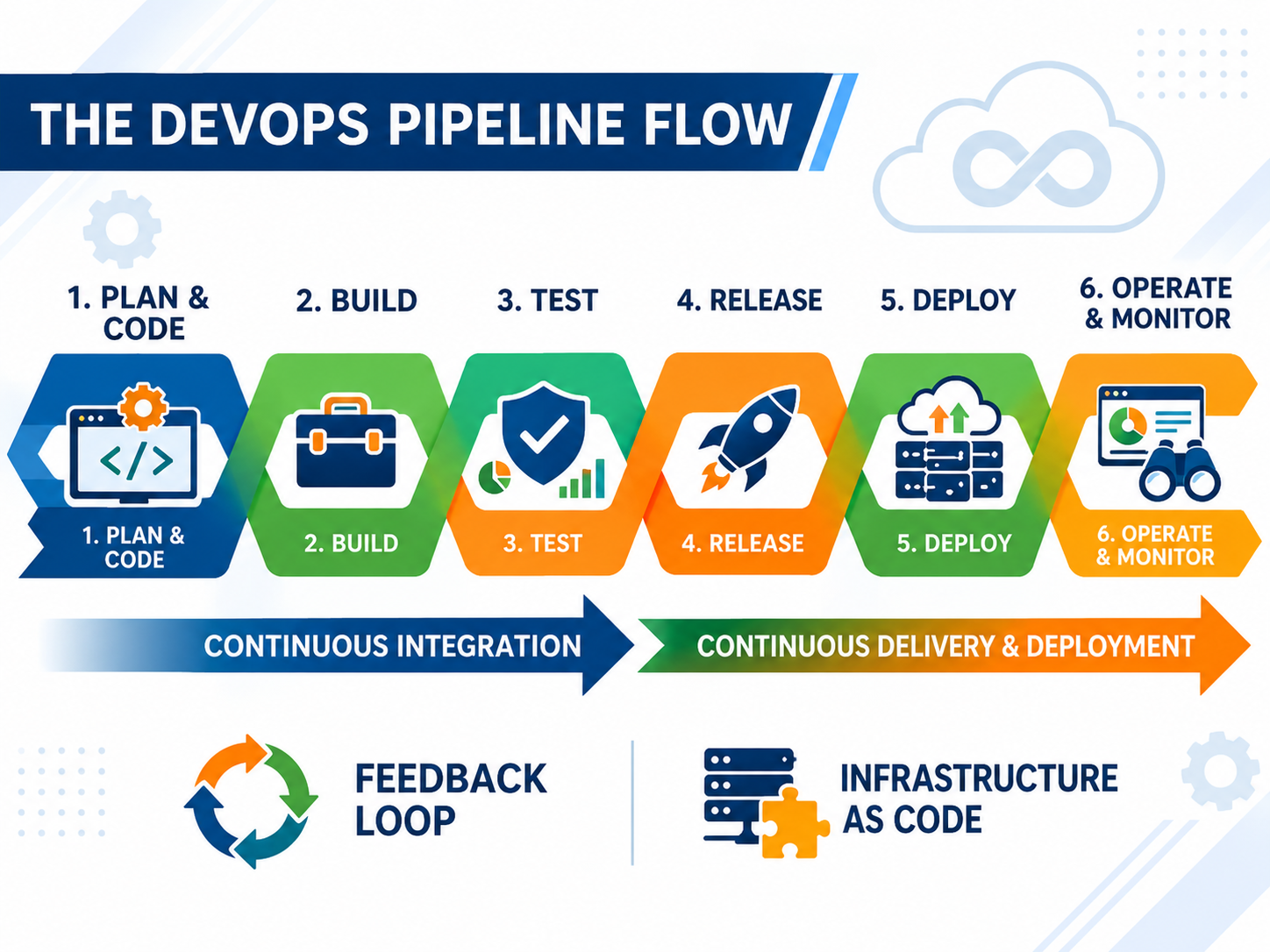
Continuous integration is a software development practice in which developers regularly combine code changes and automatically run builds and tests to identify problems before software is released.
For example, when a developer submits a new feature through GitHub, an automated workflow can compile the code, install dependencies, execute tests and report failures. This process helps engineering teams detect broken functionality before approving and merging changes.
Blacksmith provides the computing infrastructure used to run these workflows. Its platform acts as a managed alternative to standard GitHub Actions runners, allowing developers to switch their CI workloads with minimal changes to their existing workflow configuration. Blacksmith's official website
Its infrastructure combines several components:
High-performance computing: Blacksmith uses bare-metal hardware with high-performance CPUs to execute software builds and tests.
Caching infrastructure: Locating cached dependencies close to computing resources helps reduce repeated downloads and processing.
Persistent Docker layers: Reusing previously built Docker layers can reduce unnecessary work during subsequent container builds.
CI observability: Developers can inspect pipeline performance, search logs and investigate failed or unreliable tests.
Blacksmith advertises improvements in build speed, caching and infrastructure costs compared with standard alternatives. These performance figures are company-provided comparisons and should not be interpreted as universal independent benchmark results. Blacksmith's technical security documentation
The AI Connection
Blacksmith's growth strategy is closely connected to the increasing adoption of AI coding assistants and autonomous coding agents.
These systems can generate code, modify existing applications and produce pull requests at a faster pace. However, generated code still requires validation. Developers need to confirm that changes compile correctly, existing functionality continues to work and new bugs have not been introduced.
Blacksmith is also expanding beyond its original CI infrastructure. Its previously announced [code]smith product is a cloud-based coding agent integrated into the development and validation process. The company has also described plans for [code]smith QA, designed to help test changes before they are merged. Blacksmith's Series B announcement
What Is Still Unknown?
Despite the $1 billion valuation, several financial details remain undisclosed. Blacksmith has not published audited revenue statements, operating margins, net income or a detailed breakdown of its infrastructure costs in the Series C announcement. Although the company reported 17-fold ARR growth, the announcement does not provide the underlying monthly revenue figures needed to independently evaluate that growth. Fortune's funding coverage
The exact financing terms also remain unclear. The $1 billion valuation is publicly reported, but the announcement does not provide a complete breakdown of the investment structure, ownership changes or dilution resulting from the new financing. The comparison with the earlier $60 million valuation is therefore useful for understanding the reported valuation trajectory, but it does not establish the precise return received by earlier investors. TechCrunch
Another important question is whether Blacksmith can maintain its reported performance and cost advantages as its infrastructure expands. Operating its own computing hardware provides greater control over resources, but it also creates challenges involving hardware procurement, data-center capacity, utilization and infrastructure expenditure. Its planned fivefold computing expansion will make execution and capital efficiency important areas to monitor. Blacksmith's Series C announcement
Why Does It Matter?
The funding reflects an important change in software development. AI coding assistants are making it easier to generate code, but increasing the volume of code also creates more work for build systems, testing infrastructure and development teams.
A useful example comes from Anthropic. In a September 14, 2026 engineering article, the company reported that its own continuous integration job volume increased 25 times over six months as AI-assisted development expanded. This is an example from Anthropic's engineering environment, not a universal growth rate for every software company. Nevertheless, it demonstrates how quickly validation infrastructure can become a bottleneck when code production accelerates. Anthropic's engineering article
For engineering organizations, slow CI pipelines can delay feedback, block code merges and increase the time required to release new features. Faster infrastructure and better testing visibility can help development teams identify problems earlier and reduce the time spent waiting for automated checks. This makes specialized CI platforms relevant to organizations adopting AI-assisted software engineering. Blacksmith's platform documentation
The development also matters for the developer tools market. Blacksmith competes in an environment where GitHub, major cloud infrastructure providers and specialized developer platforms already supply tools for building and testing software. Meanwhile, AI coding products increasingly include their own testing and code-review capabilities. Blacksmith will need to demonstrate why specialized infrastructure offers enough performance, reliability and cost advantages to justify another platform in the development workflow. Fortune's industry analysis
Our Analysis
Blacksmith's unicorn milestone highlights an opportunity that sits alongside the growth of generative AI rather than simply within the model-development business.
AI companies receive significant attention for building increasingly capable coding models. However, generating software is only one part of the development lifecycle. The code still needs to be compiled, tested, reviewed and integrated into existing applications. As development teams adopt more AI-assisted workflows, the infrastructure responsible for validation may become increasingly important.
Blacksmith's reported growth reflects this opportunity. Weekly CI jobs increased from 5 million in January to more than 90 million by October 2026, while the company reported 17-fold ARR growth. These figures suggest that its business is experiencing substantial demand expansion, although independent financial verification is not available in the public announcement. Blacksmith's Series C announcement
The valuation journey is equally notable. Using the reported $60 million Series A valuation and the $1 billion Series C valuation:
Valuation multiple = $1,000 million ÷ $60 million = approximately 16.7×.
This represents an approximate 16.7-fold valuation, or an increase of roughly 1,567%, over the period from September 2025 to October 2026. The calculation assumes the reported valuations are comparable; the detailed financing terms are not publicly disclosed. Importantly, the separately reported 17× ARR growth is a different metric and should not be confused with this valuation calculation. TechCrunch's historical valuation report
There is also a significant infrastructure challenge behind the company's expansion. Blacksmith operates its own computing fleet rather than relying entirely on general-purpose cloud infrastructure. This approach can give the company greater control over hardware selection, workload performance and caching. However, it also means that continued growth requires sufficient computing capacity, hardware investment and efficient resource utilization. Founder Aditya Jayaprakash has discussed the difficulty of capacity planning as customer demand changes alongside improvements in AI models. Fortune's Blacksmith report
Competition presents another long-term challenge. AI coding platforms could increasingly handle testing and validation within their own workflows, while established developer infrastructure providers already have large ecosystems and customer relationships. Blacksmith's opportunity is to remain valuable as a specialized infrastructure layer, even as the tools that generate and review code become more capable.
The larger takeaway: Blacksmith's $66 million Series C is more than another venture funding announcement. It highlights the growing commercial importance of testing and validating software in an AI-assisted development environment. Its ability to scale computing infrastructure, maintain competitive economics and deliver reliable testing workflows will determine whether its unicorn valuation is supported by sustainable business performance.
Sources and References
Building the CI Cloud: Our Series C
Announcing Blacksmith's Series B Led by Peak XV Partners
The Two Faces of Tomorrow
Blacksmith Hits Unicorn Valuation After Sequoia Leads Series C
Google Ventures Doubles Down on Developer Tool Startup Blacksmith
Exclusive: AI Code-Testing Startup Blacksmith Hits $1 Billion Valuation as AI-Written Code Surges
The Fastest Way to Run GitHub Actions
Agentic Coding Is Straining CI: Here's How We Scaled Test Impact Analysis at Anthropic

Vicky Galfat
University of Mumbai/BCA
Learning, building, and exploring the world of technology one project at a time.