Back to News
News AlertWorld Money
NSEIX Extends GIFT City Trading to 23.5 Hours
T
Author
Tushar Shrivas
Published
November 3, 2026
Reading Time
6 MIN READ
Spread the Word
What Happened?
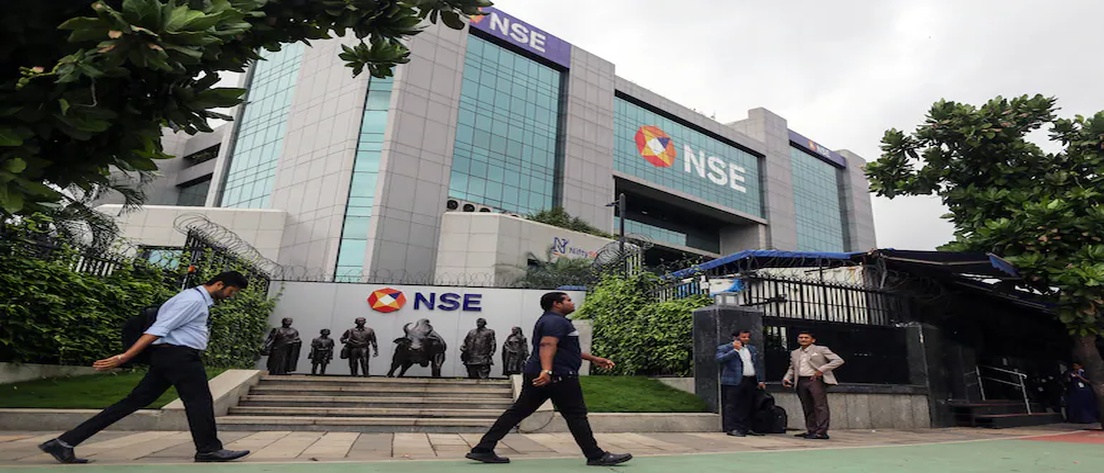
The NSE International Exchange (NSEIX), based in Gujarat's GIFT City, has extended its overall market operating window to 23 hours and 30 minutes a day, effective November 2, 2026. Under the revised schedule, operations begin at 3:15 AM IST and continue until 2:45 AM IST the following day.
The change is designed to give international investors and trading participants greater access across Asian, European and American market hours. NSEIX says the longer window will allow participants to respond to developments in global markets and manage their exposure without being restricted to a shorter trading schedule.
The exchange described the move as a step towards building a globally accessible marketplace from GIFT City. However, the new arrangement is not 24-hour trading: the daily operating window still includes a 30-minute closure, while weekends and notified trading holidays remain separate.
NSEIX confirmed that it had completed its first day of operations under the revised schedule in a statement issued on November 3. MarketScreener
What Are the New GIFT Nifty Trading Hours?
One of the most important changes concerns NSE IFSC Nifty 50 Index Futures, commonly known as GIFT Nifty. Its morning session now begins at 5:15 AM IST, compared with the previous 6:30 AM opening. The pre-open session has also moved earlier, from 6:15 AM to 5:00 AM.
The morning session therefore opens 75 minutes earlier. This gives traders additional time to respond to overnight international developments before India's domestic equity market begins its regular session.
GIFT Nifty is widely monitored as an indicator of the potential opening direction of the Nifty 50. However, it is not a guarantee of how the domestic index will perform. Differences in trading conditions, market liquidity and developments before the domestic opening can affect the eventual outcome.
An important distinction is that NSEIX's 23.5-hour overall operating window and GIFT Nifty's individual trading sessions are not interchangeable. Other products listed on the exchange may have their own applicable trading schedules. Moneycontrol
Why Is NSEIX Extending Its Trading Window?
The central objective is to improve international market access. Investors and financial institutions operating across different time zones often need to respond to developments outside India's conventional trading hours. A longer operating window can reduce the time they must wait to adjust positions in eligible NSEIX products.
For example, a global participant following overnight developments in the United States or movements in European markets can have a wider opportunity to access the international exchange. This may be useful when managing exposure to Indian-linked derivatives or reacting to changes in global financial conditions.
The move also supports GIFT City's ambition to attract international financial institutions, brokers and investors. Longer trading availability can make the exchange more convenient for overseas participants, although convenience alone does not guarantee increased trading activity.
For the initiative to succeed commercially, NSEIX must attract consistent participation from market makers, brokers, institutional investors and other trading firms. Their activity will determine whether the extended window develops meaningful liquidity and market depth. NSEIX
Does This Change India's Domestic Stock Market Timings?
No. The extension applies to NSE International Exchange in GIFT City, not to the regular domestic cash-equity market operated by the National Stock Exchange of India.
Investors trading ordinary NSE-listed shares continue to follow the domestic exchange's applicable trading schedule. The announcement does not mean that shares such as Reliance Industries, HDFC Bank or Infosys can now be bought and sold on the domestic cash market for 23.5 hours a day.
NSEIX is a separate international exchange operating within GIFT City's International Financial Services Centre framework. Its product range includes Indian single-stock and index derivatives, currency derivatives, depository receipts and global stocks. The applicable timings depend on the individual product and its exchange rules.
This distinction is important because the extended operating window should not be confused with a change to the trading hours of India's entire stock market. BusinessToday
The Technology Behind Nearly Continuous Trading
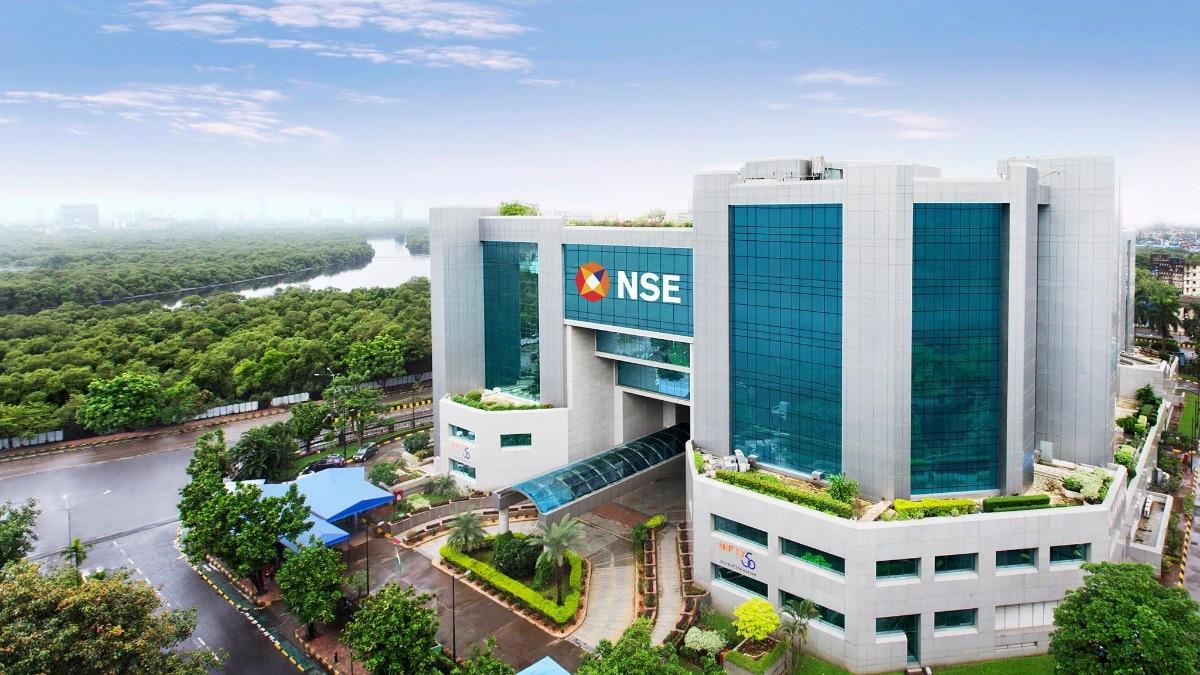
Operating a financial exchange for almost the entire weekday requires systems that can support trading, risk controls, connectivity and maintenance within a limited downtime window.
NSEIX says its technology infrastructure can complete maintenance and system updates within three minutes between sessions and in less than 15 minutes at the end of the trading day. These are figures reported by the exchange, not independently verified performance measurements.
The operational challenge is significant. Longer availability requires reliable systems and coordinated processes to ensure that participants can access the market while essential maintenance and risk-management functions continue to operate.
For institutional users, reliability is as important as longer trading hours. An extended market that experiences connectivity problems or inconsistent execution would struggle to attract sustained international participation.
Our Analysis: Longer Trading Hours Are Only the First Step
The extension is a meaningful development for GIFT City's international financial-market ambitions, but its success should not be measured by operating hours alone.
A longer trading window can improve access for overseas investors, offer greater flexibility to trading firms and allow participants to respond to international developments during more of the global trading day. It may also strengthen GIFT City's appeal as a location for financial institutions seeking access to Indian-linked products.
However, longer availability does not automatically create liquidity. A market needs active buyers and sellers, competitive transaction costs, reliable brokers, effective risk management and sufficient trading volume. If participation remains concentrated in a few hours, the commercial benefit of extending the operating window may be smaller than the headline suggests.
The next indicators to watch are trading volumes across the new time slots, the number of active international participants, market depth and the consistency of execution during less-active hours. These measures will help establish whether the initiative is attracting genuinely new activity or simply redistributing existing trading across a longer day.
For NSEIX, the real achievement will not be offering 23.5 hours of access. It will be turning that access into a deeper, more liquid and internationally connected marketplace.
Sources
Sources

Tushar Shrivas
B.Tech CS@ Shri Balaji Institute of Technology & Management
I write at Metaplugs — breaking down the latest in tech, economics, and business into simple, impactful stories for everyday readers. Passionate about software testing and global finance.