Back to News
News AlertWorld Unicorn
The Trillion-Dollar Tectonic Shift
V
Author
Vishal Sable
Published
June 29, 2026
Reading Time
11 MIN READ
Spread the Word
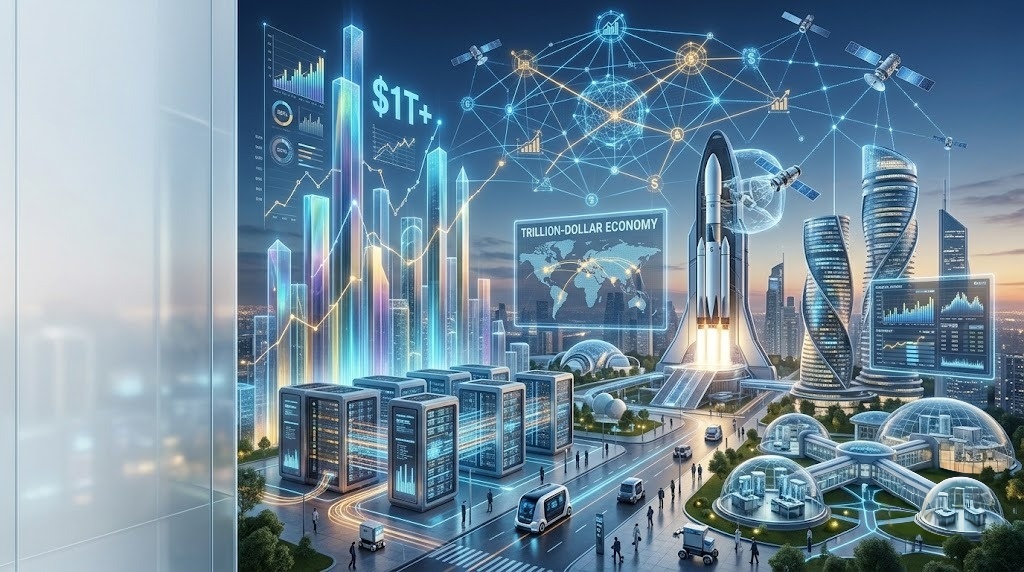
The global "Unicorn Club"—private companies valued at over $1 billion—has entered a new era of astronomical concentration. Propelled by the AI boom, the unicorn universe has reached a record high of over 1,600 private companies, but the real story is not the raw count—it is the staggering concentration of value at the absolute top. According to the latest **Hurun Global Unicorn Index 2026**, the total valuation of the global unicorn ecosystem has surged 43% to approximately **$8 trillion**. Yet remarkably, the Top 10 companies alone account for nearly half of that entire value—a combined $3.9 trillion. This is no longer a landscape of dispersed innovation. It is a winner-take-most economy, where a handful of AI and aerospace giants command the lion's share of private market value, and where the tectonic plates of global startup leadership are shifting beneath our feet.
The $8 Trillion Universe: Quantity Meets Quality
The Hurun Global Unicorn Index 2026, based on data up to January 1, 2026, identified 1,603 unicorns across 52 countries and 299 cities—an increase of 80 businesses compared to the previous year. Chinese media reports have similarly confirmed the figure of 1,603 unicorns, marking a 5.3% year-over-year increase. Other trackers, such as PitchBook, recorded 1,680 companies with an $8.6 trillion aggregate valuation in Q1 2026. But the headline number of new unicorns—308 new businesses joined the "billion-dollar club" for the first time, equivalent to almost one new unicorn every day—masks a far more consequential trend. While the number of businesses increased by only about 5%, their total value surged by 43%. This indicates that capital is not being distributed evenly but is concentrating on a small group of businesses possessing foundational technology. As Hurun chairman Rupert Hoogewerf observed, the AI wave is not only creating more billion-dollar startups but also fundamentally changing how the market values technology companies.
The Magnificent Few: Top 10 Hold Nearly Half the Value
The concentration of value at the top is breathtaking. According to Hurun, **the 10 largest unicorns alone have a combined valuation of $3.9 trillion**, accounting for nearly half of the total $8 trillion ecosystem. PitchBook's analysis confirms this trend: the top 10 unicorns by valuation now hold 41.3% of the total value—the same level of concentration as a decade ago. What makes this remarkable is that AI companies now account for 36% of the total value of all unicorns worldwide. PitchBook puts the figure even higher, with AI representing **47.6% of the entire unicorn universe's $8.6 trillion aggregate valuation**, up from under 10% a decade ago. All five companies valued at over $100 billion operate in fields closely related to AI or develop large-scale AI models. The shift in the top rankings tells the story. While a few years ago, the top positions were typically held by e-commerce, fintech, or ride-hailing services, this year's rankings show that the center of the innovation ecosystem has shifted decisively to AI. Hurun chairman Rupert Hoogewerf noted: "With SpaceX officially entering the public market as a historic giant, the global unicorn landscape has entered a new order. Anthropic and OpenAI are now at the top of the index, reflecting an unprecedented concentration of private AI capital as both aim for trillion-dollar US valuations. The AI era is creating a new generation of world giants in a remarkably short time".
SpaceX: The First Trillion-Dollar Private Titan
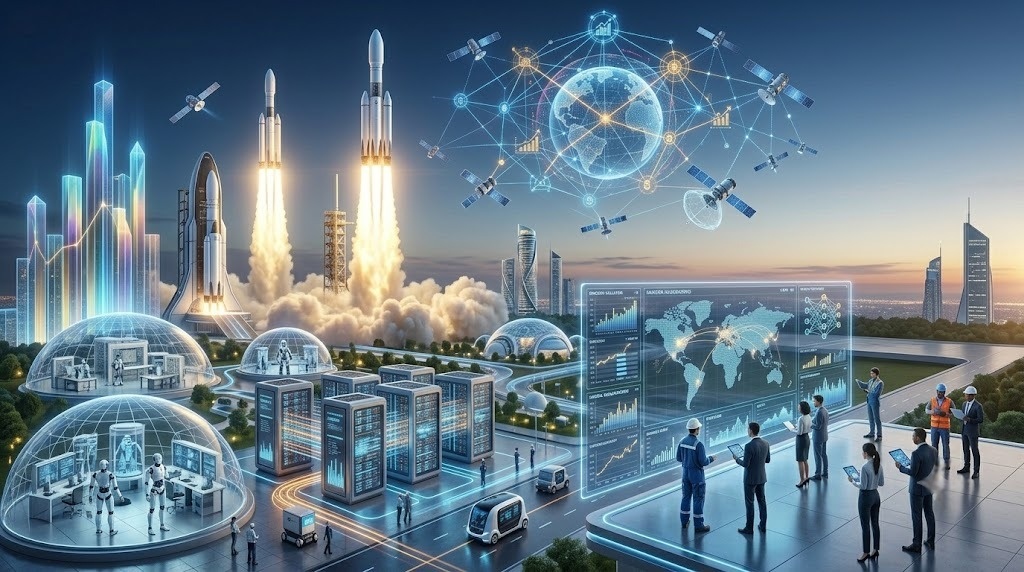
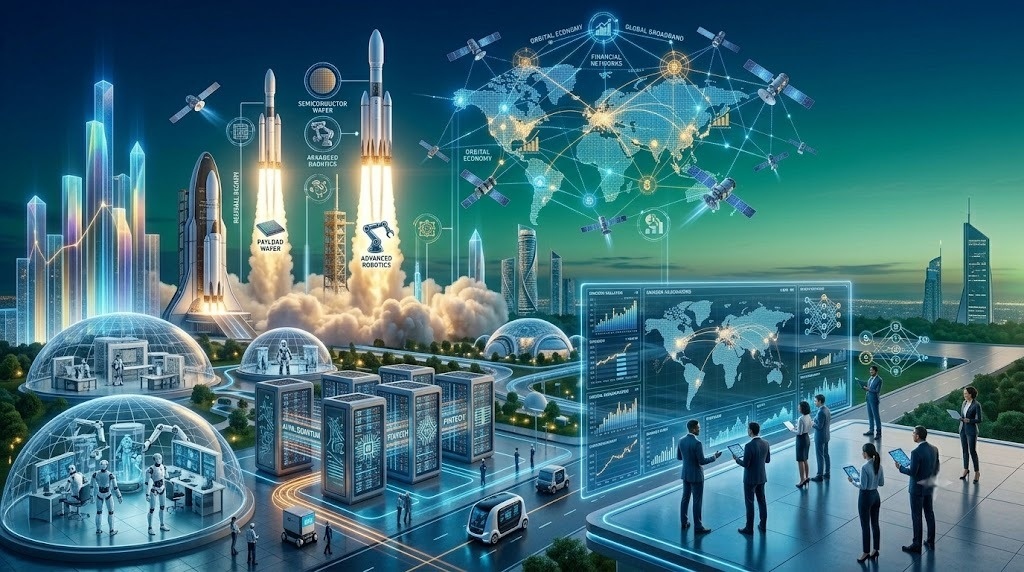
At the absolute peak of the world ranking, SpaceX stands as the most valuable private titan globally, hitting a jaw-dropping valuation of approximately $1.25 trillion**. This milestone followed the company's February 2026 merger with Elon Musk's artificial intelligence venture xAI in an all-stock deal, with reporting placing SpaceX at around $1 trillion and xAI at roughly $250 billion. It is the **first private company to surpass a $1 trillion valuation. The valuation surge—from $350 billion in December 2024 to $1.25 trillion in February 2026—represents a 3.6x growth in just 14 months, primarily driven by Starlink's subscriber and revenue expansion. SpaceX is now preparing for a public listing, having set a price for what is expected to be the world's largest IPO ever, targeting a valuation as high as $1.77 trillion. The strategic lesson from SpaceX's dominance is clear: vertical integration across hardware and AI is the bet here, pairing rockets and satellites with compute. The company is combining scarce physical infrastructure with software to justify a valuation premium that neither commands alone. This model—building both the physical and digital layers of infrastructure—has become the defining template for the trillion-dollar unicorn.
The Global Shift: UK Overtakes India for Third Place
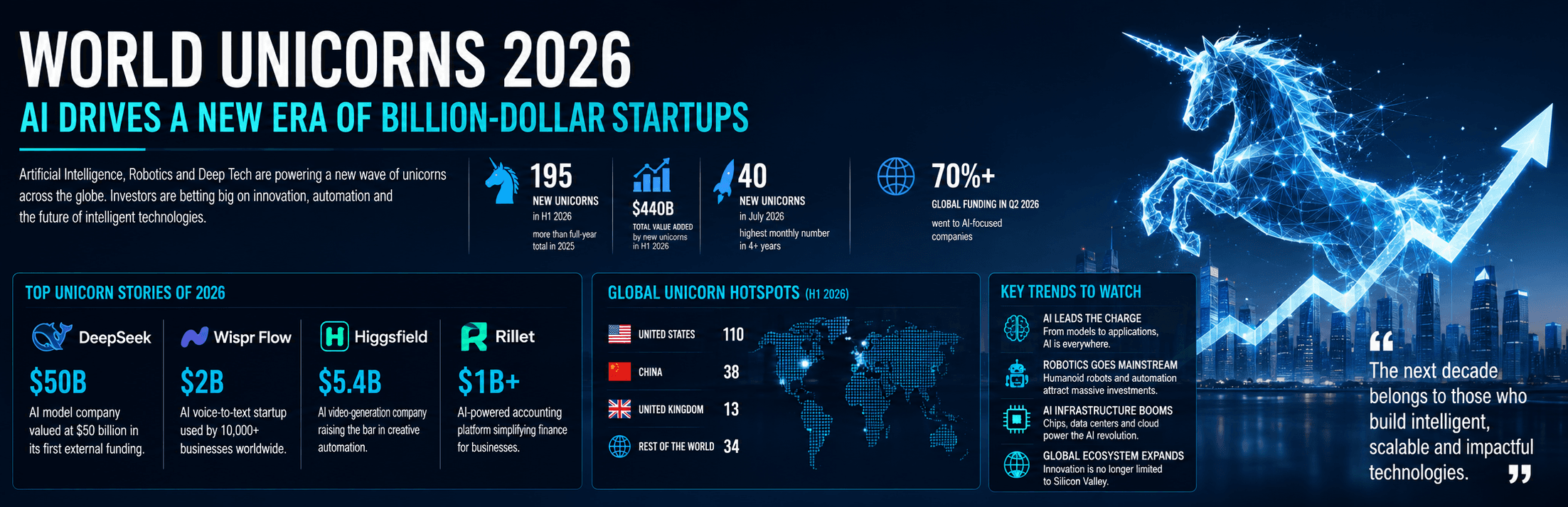
While the United States remains the heavyweight leader with over 800 unicorns, followed closely by China, a significant shift has occurred at the third position. According to the Hurun Global Unicorn Index 2026, India has secured 61 unicorns, placing it fourth globally. The UK, with approximately 69 to 70 unicorns, has narrowly overtaken India for the third spot. This shift reflects the broader maturation of the European startup ecosystem, particularly in AI and fintech. However, India's position remains formidable. Bengaluru continues to be India's unicorn capital with 25 unicorns, followed by Mumbai with 13. India's most valuable unicorns are concentrated in brokerage, quick commerce, and fintech sectors. The country also saw six Indian unicorns list on the stock market this year, reflecting an improving IPO environment.
The Indian Founder Factor: A Global Diaspora of Innovation
Perhaps the most remarkable revelation from the Hurun report is the global influence of Indian entrepreneurs. Indians have played a significant role (as founder or co-founder) in establishing 217 unicorns worldwide. Of these, 156 are outside India: 142 in the United States and the remainder spread across other countries, while 61 operate within India. This diaspora effect is a powerful testament to the global reach of Indian entrepreneurial talent. Indian founders are not just building companies in India—they are shaping the AI and fintech sectors globally. As the report highlights, Indian founders are rapidly shaping global AI and fintech sectors. This positions India not merely as a domestic startup hub but as a global talent factory for the unicorn economy, exporting founders and ideas to the world's most valuable private companies. The coming months will test whether the current valuation levels are sustainable. With SpaceX, OpenAI, and Anthropic all targeting 2026 IPOs that could collectively raise over $150 billion, the public markets will soon deliver their verdict on the trillion-dollar private valuations. But one thing is already clear: the unicorn landscape has been permanently reshaped by the AI revolution, and the concentration of value at the top has never been more extreme.

Vishal Sable
B.Tech AD @ shri balaji institute of technology and management
Engineering and tech journalist. I love exploring the impact of emerging technologies on global defense, sovereignty, and everyday life. Always looking for the real story behind the headlines.