Inside the Global AI Defense Race: How Artificial Intelligence Is Transforming the Future of Warfare
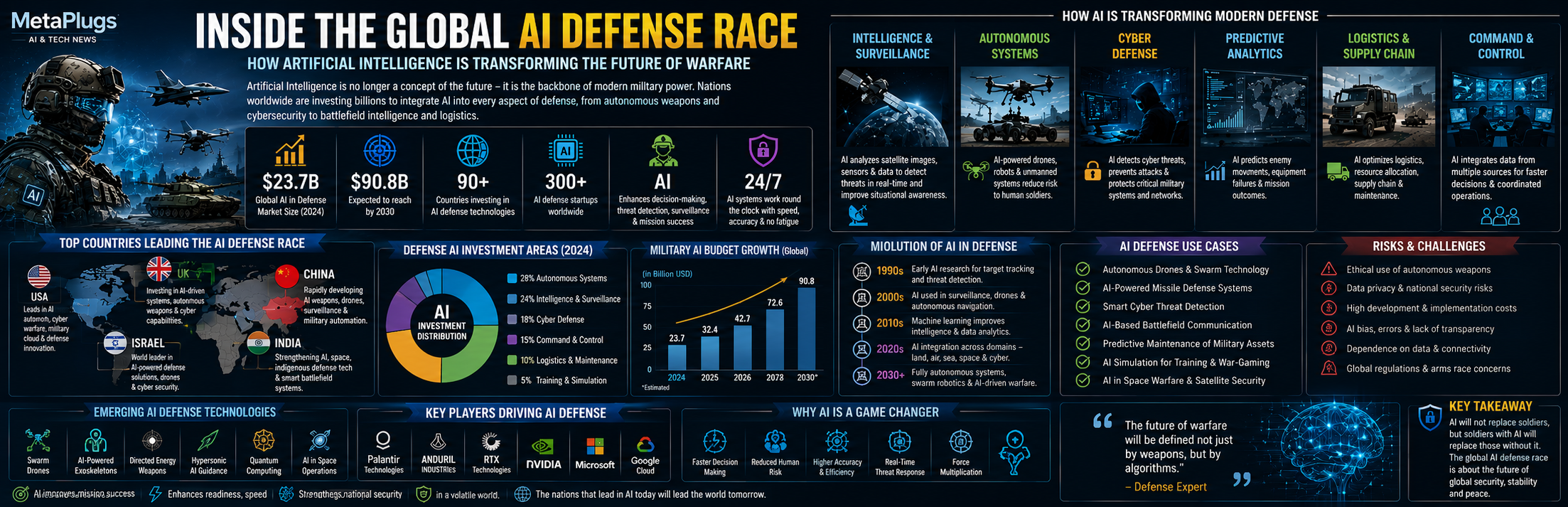
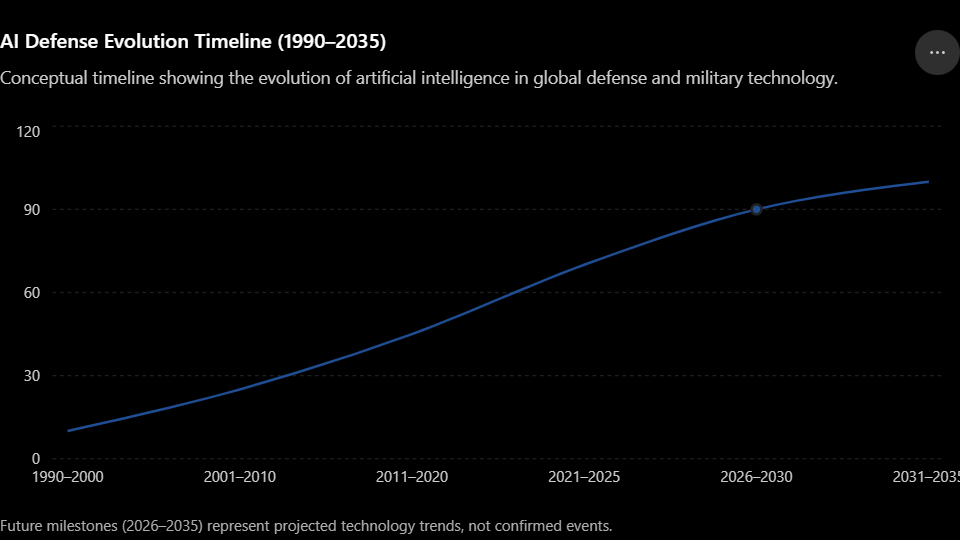
Artificial Intelligence has become the centerpiece of a new technological race among the world's leading military powers. Countries including the United States, China, the United Kingdom, France, Israel, India, Japan, South Korea, and several NATO members are significantly expanding investments in AI-enabled defense capabilities. Governments recognize that future military superiority will depend not only on advanced weapons but also on intelligent software capable of processing information faster than any human analyst.
Unlike previous defense revolutions that focused on missiles, aircraft, or nuclear capabilities, today's competition revolves around algorithms, machine learning, autonomous systems, and data superiority. Nations are racing to build smarter command centers, autonomous reconnaissance platforms, intelligent cyber defense networks, and AI-assisted decision-support systems that can improve military readiness while reducing operational risks.
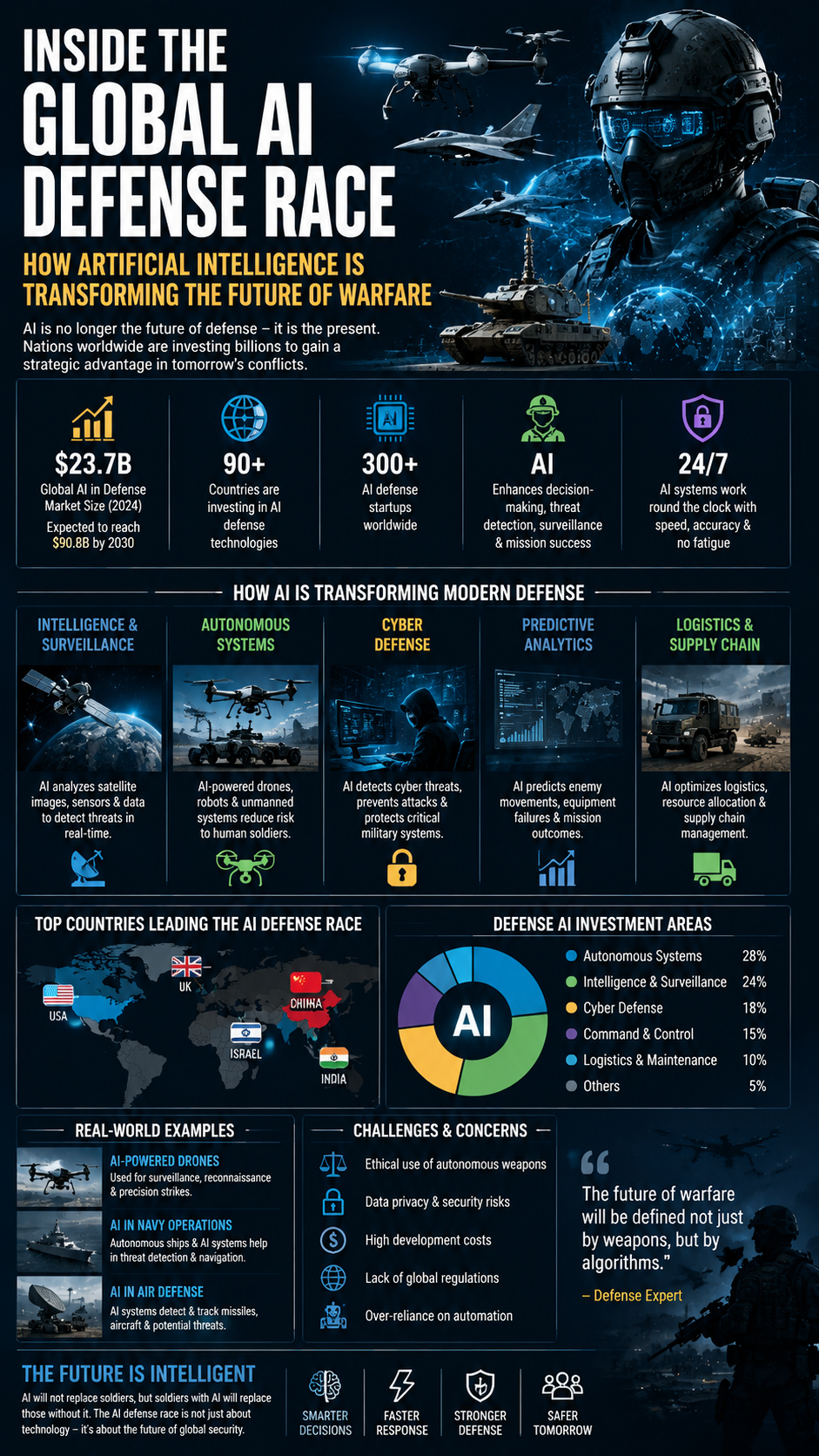
Artificial Intelligence is transforming nearly every aspect of military planning and execution. Modern AI systems can analyze satellite imagery within seconds, identify suspicious activity across thousands of surveillance feeds, predict equipment failures before they occur, and optimize logistics for large-scale military operations. These capabilities allow commanders to make faster, more informed decisions while reducing the workload on human personnel.
AI-powered software is also improving intelligence gathering by analyzing enormous volumes of data collected from satellites, drones, radar systems, communications, and cyber networks. Instead of spending hours reviewing information manually, analysts can now use AI to identify patterns, detect anomalies, and prioritize potential threats almost instantly.
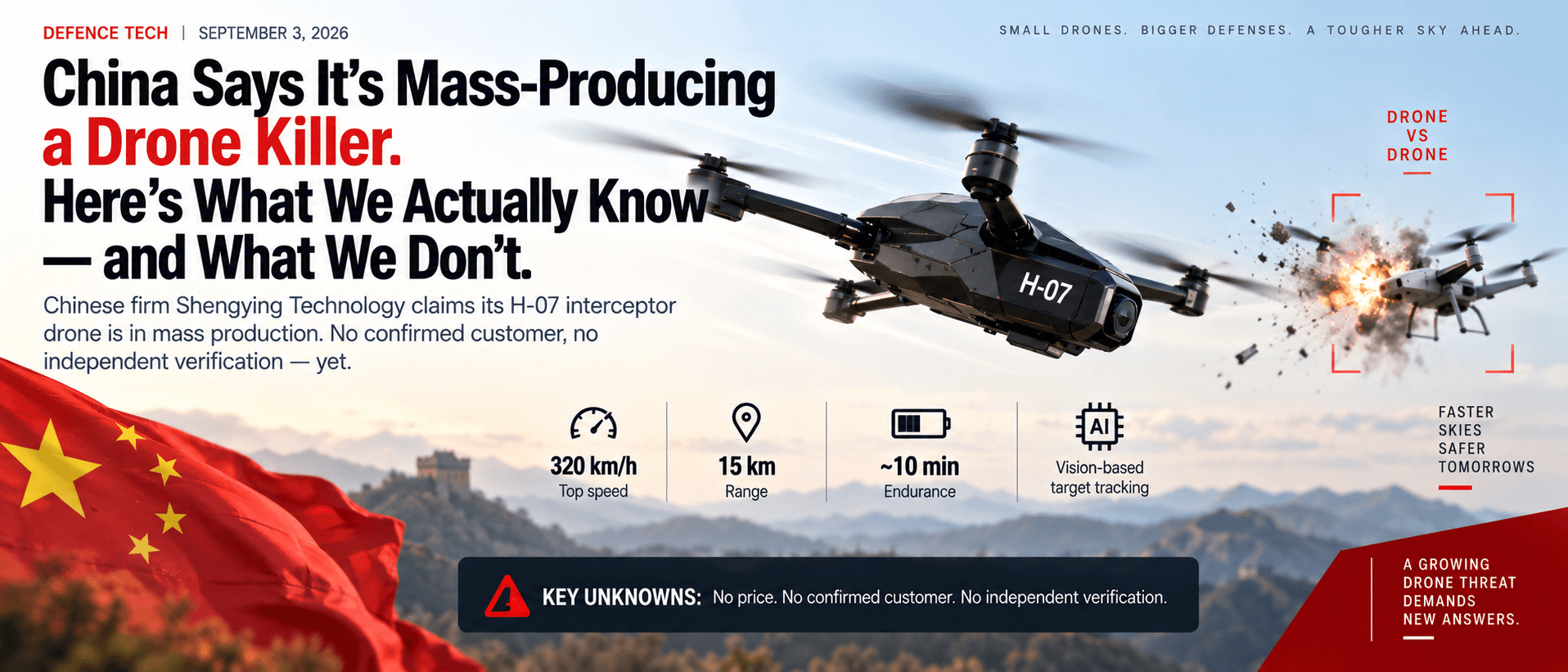
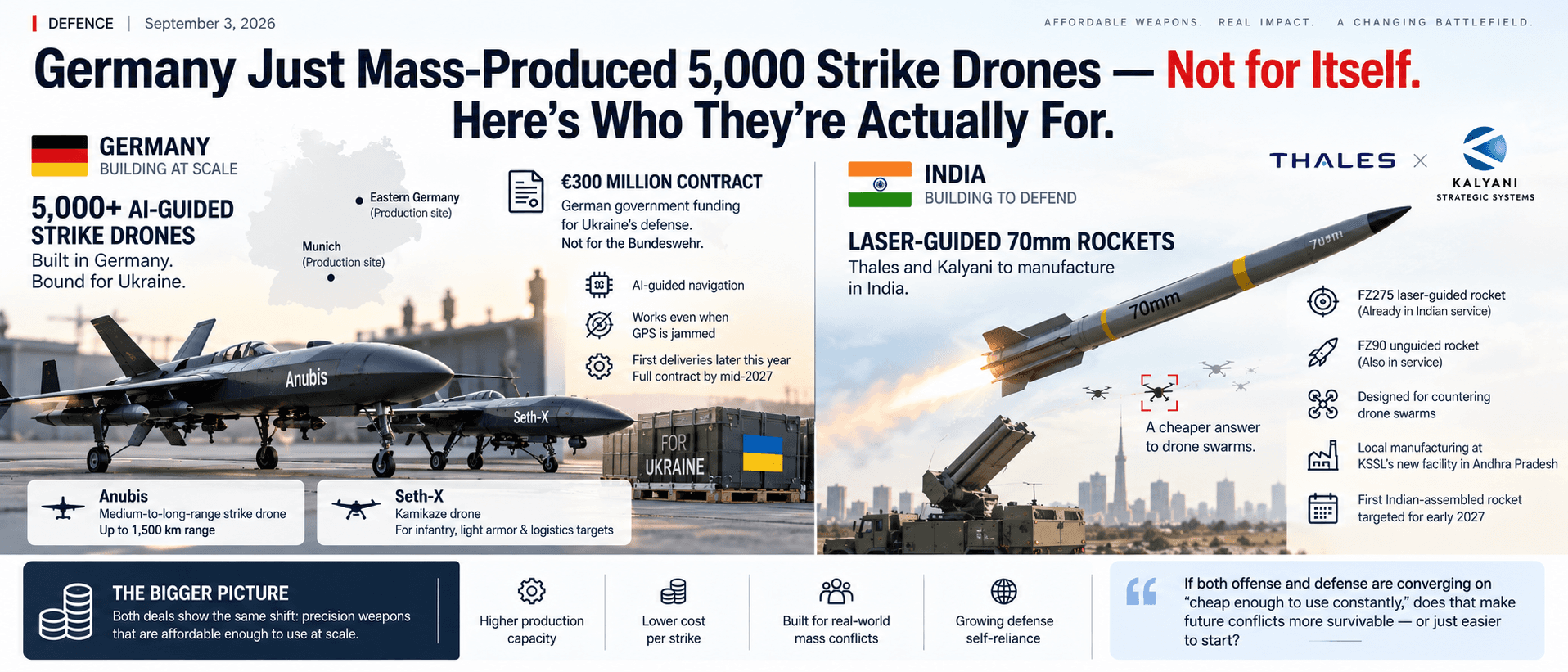
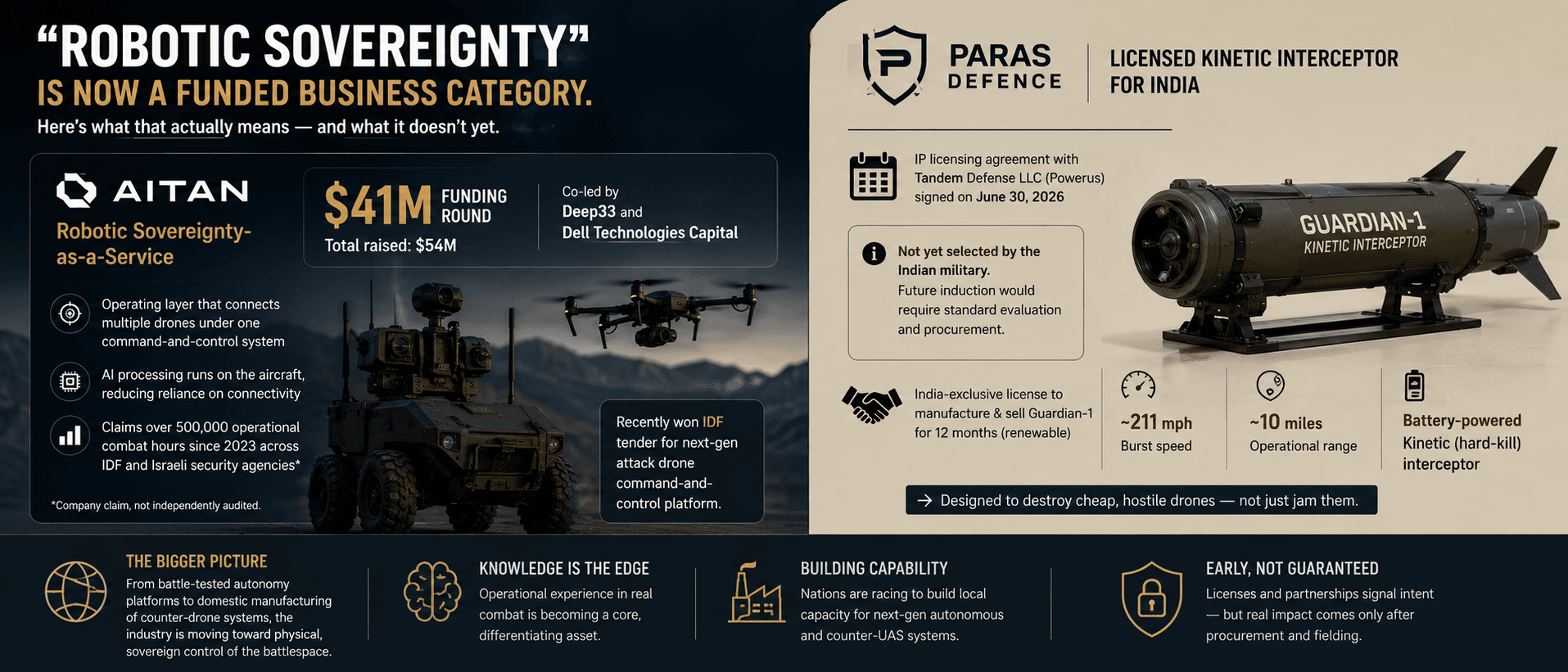
One of the fastest-growing areas of defense innovation is the development of autonomous systems. AI-powered drones, unmanned ground vehicles, robotic surveillance platforms, and autonomous maritime systems are becoming increasingly important for reconnaissance, logistics, border security, and intelligence collection. These systems reduce the need to place military personnel in high-risk environments while improving operational efficiency.
However, defense experts emphasize that autonomous technologies are intended to support military personnel rather than replace human judgment. Most advanced defense organizations continue to maintain human oversight over critical operational decisions, particularly those involving the use of force.
Cybersecurity Has Become the Front Line
As military operations become increasingly digital, cybersecurity has emerged as one of the most critical components of national defense. Governments now face sophisticated cyber threats targeting defense networks, satellites, communication infrastructure, and critical national systems.
Artificial Intelligence enables cybersecurity teams to detect malicious activity in real time, identify vulnerabilities before attackers exploit them, and respond to cyber incidents significantly faster than traditional security tools. AI-powered threat detection platforms continuously analyze millions of network events, helping organizations defend against increasingly complex cyberattacks.
For many defense organizations, cyber warfare is no longer considered a future challenge—it is an active battlefield where AI provides a decisive operational advantage.
Technology Giants Driving Defense Innovation
The rapid advancement of AI defense technologies is supported by some of the world's largest technology companies. Microsoft, Google, Amazon Web Services, NVIDIA, Palantir Technologies, Anduril Industries, Lockheed Martin, RTX (formerly Raytheon Technologies), Northrop Grumman, and BAE Systems are investing heavily in AI-powered defense solutions.
These organizations are developing intelligent command systems, AI-enabled surveillance platforms, secure cloud infrastructure, advanced data analytics, autonomous navigation technologies, and next-generation defense software that enable governments to modernize military capabilities while improving operational efficiency.
Expert Opinion
Defense analysts increasingly agree that Artificial Intelligence represents the most significant transformation in military technology since the introduction of precision-guided weapons and cyber warfare. Nations capable of combining AI innovation with secure digital infrastructure, advanced semiconductor technology, cybersecurity resilience, and highly trained personnel will likely define the next generation of global military leadership.
The future battlefield will not be won solely through superior weapons, but through faster intelligence, smarter decision-making, resilient cyber defenses, and the ability to process information at unprecedented speed. AI is becoming the operational backbone of modern defense, enabling militaries to act more efficiently while strengthening national security against increasingly complex threats.