Back to News

Two COP31 Climate-Finance Initiatives Target Up to US$1.1B for Asia

V
Author
Vicky Galfat
Published
November 15, 2026
Reading Time
10 MIN READ
Spread the Word
Two COP31 Climate-Finance Initiatives Target Up to US$1.1B for Asia
Singapore’s SPIRE Asia targets up to US$500 million for agri-food climate resilience, while Octopus Energy aims to mobilise US$600 million for clean-energy projects across Asia.

What Happened?

Singapore and UK-based Octopus Energy announced two separate climate-finance initiatives during the COP31 climate summit in Antalya, Türkiye, on 10 November 2026. Together, the initiatives have targets of up to US$1.1 billion in investment mobilisation for Asia, but they have different structures and investment priorities. Octopus Energy’s fund announcement

Singapore introduced SPIRE Asia, a programme built around a proposed blended-finance fund of up to US$500 million for climate adaptation in Southeast Asia’s agri-food sector. Separately, Octopus Energy launched the Octopus Asia Electrification Fund (OAEF), which aims to catalyse US$600 million for renewable-energy and electrification projects across Asian markets. MAS and Singapore government announcement

The two announcements should not be interpreted as a joint investment programme or a single US$1.1 billion fund. Singapore’s initiative is being developed by the National Climate Change Secretariat (NCCS), the Monetary Authority of Singapore (MAS) and Enterprise Singapore (EnterpriseSG), with Temasek Trust as a partner. Octopus Energy’s fund is managed by its generation arm and is intended to invest in local renewable-energy developers.

Their shared timing at COP31 provides a common climate-finance context, not evidence of a formal partnership between the initiatives.


What Does the Source Say?

Singapore’s SPIRE Asia: Financing climate resilience

SPIRE stands for Scaling Projects and Investments for Resilience in Asia. Its proposed blended-finance fund has a target size of up to US$500 million and will focus on climate adaptation across the regional agri-food value chain.

Unlike climate-mitigation investments, which primarily seek to reduce greenhouse-gas emissions, adaptation investments aim to help businesses, communities and food systems prepare for and reduce their vulnerability to climate-related risks. The Business Times’ explanation of blended finance and adaptation

The programme has three connected pillars.

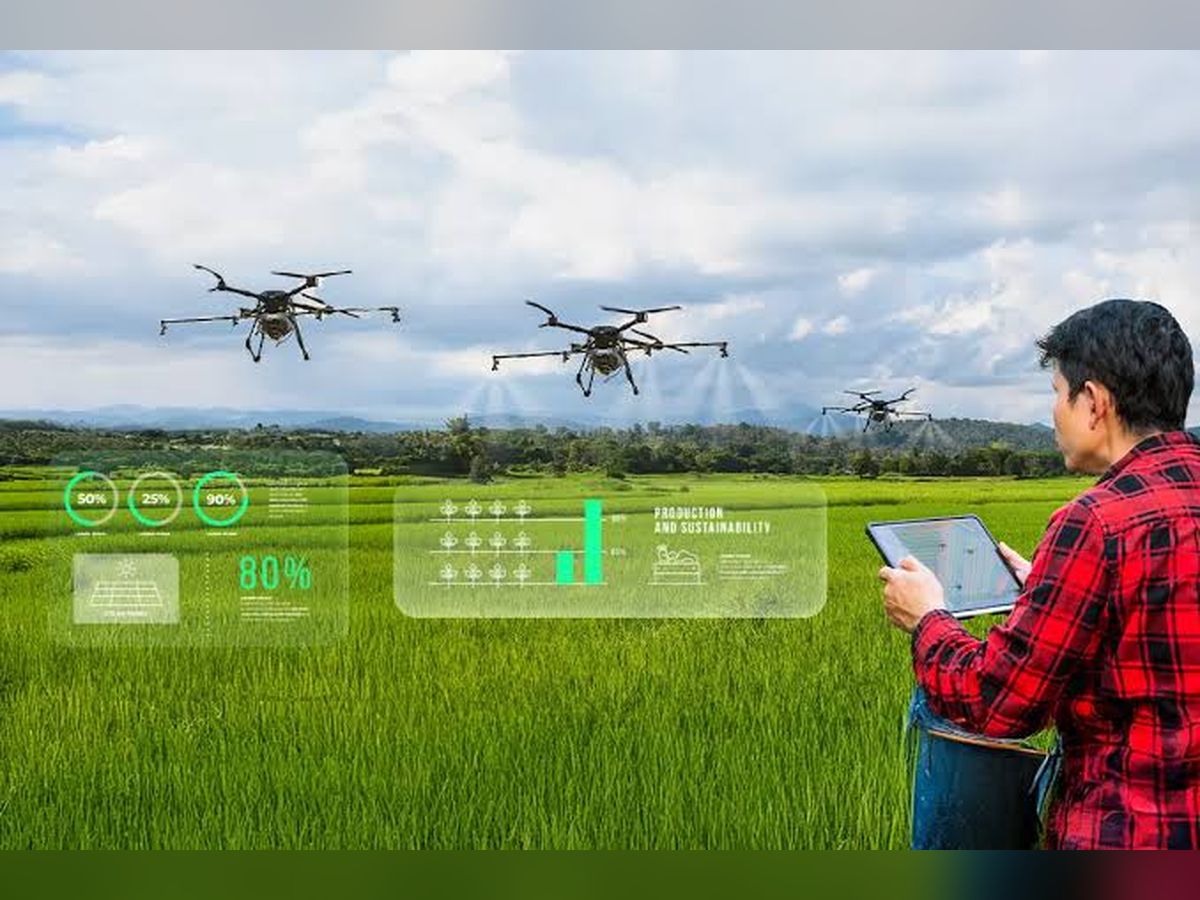
First, a Data Platform will connect climate, agricultural and investment information to help identify risks and potential investment opportunities. Enterprise Singapore will lead its development, supported by Temasek Trust. A related Solutions Centre for Regional Smallholder Farmers is intended to improve understanding of challenges facing smaller agricultural producers and support the development of climate-resilient solutions. Singapore government announcement 

Second, a Market Development Facility will help turn promising adaptation ideas into projects that investors can assess and finance. Temasek Trust will lead this pillar, working with regional and international partners. The facility is also expected to aggregate smaller projects into larger investment opportunities, helping address a common challenge in agricultural finance: individual projects may be too small or insufficiently developed to attract institutional capital. The Business Times’ SPIRE Asia report

Third, the Blended Finance Fund will use catalytic capital to address investment risks and improve the risk-return profile for commercial investors. In practical terms, blended finance combines capital from sources with different risk appetites. Government, philanthropic or development-oriented investors can take on selected risks or provide concessional financing, potentially making projects more attractive to commercial lenders and investors.

Singapore’s Ambassador for Climate Action Ravi Menon said the government was prepared to contribute catalytic capital alongside international partners. However, the official launch announcement gives a target of up to US$500 million; it does not establish that the entire amount has already been raised or invested. Ravi Menon’s official COP31 remarks

Octopus Energy: A separate $600 million electrification fund

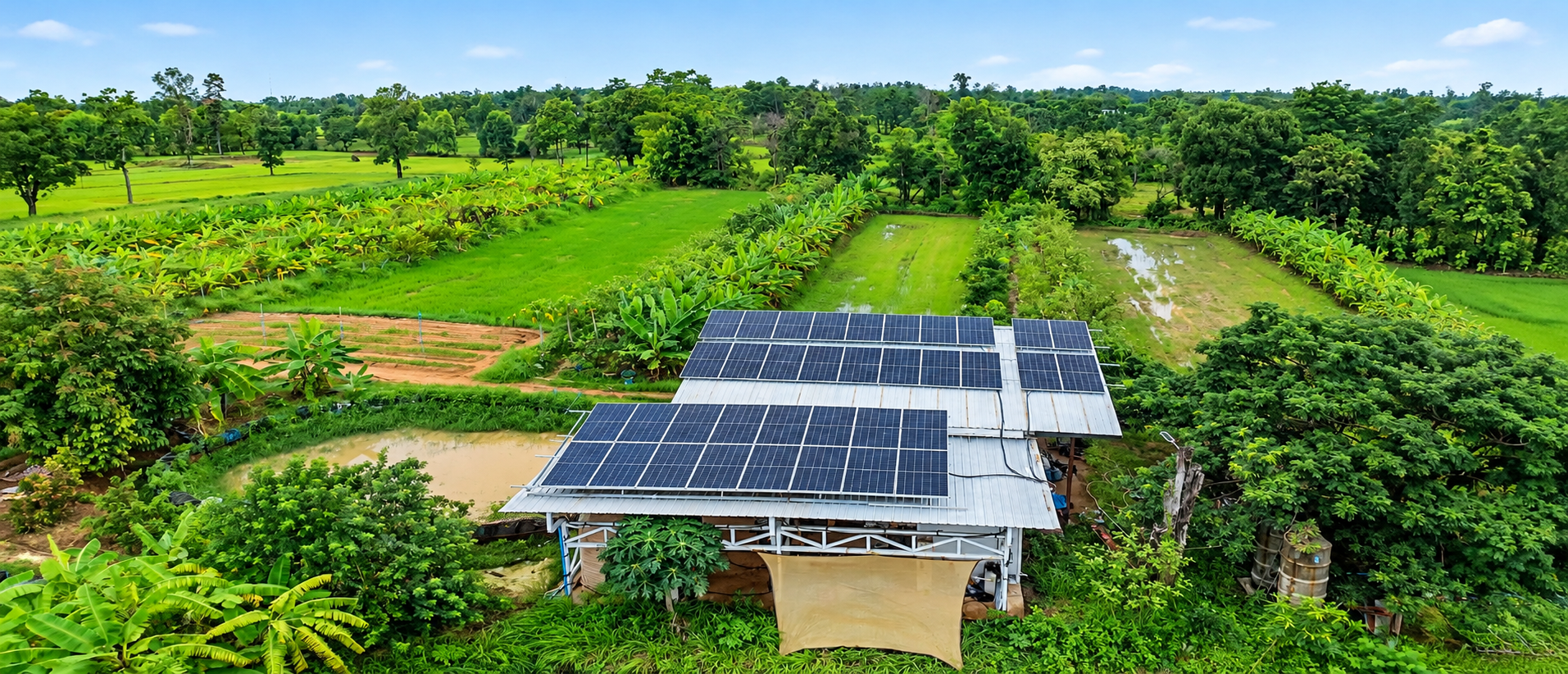
Octopus Energy’s Asia Electrification Fund has a different investment mandate. The company aims to catalyse US$600 million from institutional investors to support local green-energy developers. Octopus said the fund already had US$50 million of backing from Japanese investors. The vehicle is managed by Octopus Energy Generation, the group's renewable-energy investment arm. Sky News’ pre-launch reporting

Its first investment is in Octali Energy Development, a Manila-based solar and energy-storage developer. Octopus says it will work with Octali on a development target of 450 megawatts (MW) of solar capacity and 350 megawatt-hours (MWh) of battery storage. The projects could generate enough electricity to power more than 300,000 Philippine homes annually by 2030, according to the company.

These figures describe the planned project portfolio and its projected output, not completed installations or independently measured electricity generation. The announcement does not disclose the amount of the fund’s first investment in Octali. DealStreetAsia’s coverage

Beyond the Philippines, the fund says it will consider opportunities in Japan, South Korea, Singapore, Indonesia, Thailand, Malaysia and Vietnam. Its investment areas include solar, onshore wind, battery storage, microgrids and electric-vehicle charging infrastructure. The fund is therefore broader than conventional renewable-energy generation: it also targets technologies and infrastructure that support the wider electrification of energy systems. Octopus Energy’s official announcement
What Is Still Unknown?

For SPIRE Asia, the most important unanswered question is how the US$500 million target will be assembled. The government has indicated that it is prepared to provide catalytic capital and that international partners may participate, but the launch announcement does not publish a complete capital structure, named fund investors, a first close or a deployment schedule. The precise investment terms, fund-management arrangements and eligibility criteria for projects also require further disclosure. MAS’s official announcement 

The programme’s eventual impact will also depend on how it measures resilience. Financing a project does not automatically demonstrate that it has reduced climate vulnerability. Relevant evidence could include improved agricultural productivity under climate stress, reduced exposure to water shortages, stronger supply-chain continuity or improved outcomes for smallholder farmers. Singapore has said that it intends to develop indicators with partners, but the detailed measurement framework has not yet been published in the launch material. Ravi Menon’s COP31 remarks 

For Octopus Energy, the US$600 million figure is a mobilisation target rather than a statement that the full amount is committed. The company has disclosed US$50 million in backing from Japanese investors, but its announcement does not identify those investors or provide a complete breakdown of the fund’s capital commitments. It also does not disclose the financial terms or investment amount associated with Octali Energy Development. Sky News’ reporting on the fund

The Philippine project pipeline also needs to be distinguished from operational capacity. The announced 450 MW of solar and 350 MWh of storage are development targets. The public announcement does not establish how much capacity has secured permits, financing, construction contracts or grid connections. Actual generation, storage performance and the number of households ultimately supplied will depend on project delivery and operating conditions. Octopus Energy’s official announcement

Why Does It Matter?

The Singapore initiative addresses a financing problem that is different from the challenge of building renewable-energy capacity. Agricultural businesses and smallholder farmers face physical risks from changing rainfall, rising temperatures and extreme weather. Yet adaptation projects can be difficult to finance because their benefits may be spread across communities and supply chains, while their returns can be uncertain or take years to materialise.

SPIRE Asia attempts to address that problem before and during investment. Better data can help investors understand climate exposure; project preparation can make smaller opportunities more investable; and catalytic capital can help absorb risks that commercial investors may be unwilling to take alone. If these elements work together, the programme could help direct more private capital towards practical resilience measures rather than relying exclusively on grants or public spending. The Business Times’ reporting on the financing barriers

The regional focus also has implications for Singapore’s food security. Singapore’s Ambassador for Climate Action Ravi Menon noted that the country imports more than 90% of its food. Disruptions to agricultural production elsewhere in Southeast Asia can therefore affect regional food availability and prices, making resilience beyond Singapore’s borders relevant to its own supply security. Ravi Menon’s COP31 remarks

Octopus Energy’s fund addresses a separate but connected challenge: expanding the infrastructure needed to supply electricity from cleaner sources. Solar generation, battery storage and microgrids can contribute to more diversified electricity systems. Storage can help manage differences between when renewable electricity is generated and when it is consumed, while local generation can reduce dependence on imported fossil fuels in suitable markets.

The Philippines investment is a useful example of the fund’s approach because it combines planned solar capacity with battery storage. However, the potential benefits will depend on project financing, grid integration, construction and actual operation. A development target is not yet evidence of additional electricity reaching consumers. Octopus Energy’s announcement
Post image
Our Analysis

The most important distinction between these announcements is the type of climate problem each is trying to finance. SPIRE Asia focuses on adaptation: helping food systems withstand climate impacts that are already affecting production and supply chains. Octopus Energy focuses on electrification and clean-energy infrastructure, which can contribute to the transition away from fossil-fuel-based electricity. Both are relevant to climate resilience, but their investment outcomes should be assessed using different measures.

For SPIRE Asia, the headline US$500 million target will matter less than the quality of the projects it can prepare and finance. The programme’s data and market-development pillars may be as important as the fund itself. If they help convert fragmented agricultural opportunities into projects with credible climate-risk assessments, measurable outcomes and investable financial structures, they could address barriers that additional capital alone cannot solve. The test will be whether projects that previously struggled to attract financing actually receive it—and whether the resulting investments improve resilience for farmers and food supply chains. MAS’s SPIRE Asia announcement 

Octopus Energy’s US$600 million target is more directly linked to a project-development pipeline. Its first disclosed investment gives the fund a tangible starting point, but the 450 MW solar and 350 MWh storage figures should be treated as planned capacity rather than delivered infrastructure. Investors and energy-market observers should watch for financing details, construction progress, grid-connection milestones and operational performance. Those indicators will show whether the fund can turn its regional ambition into functioning energy assets. DealStreetAsia’s coverage

The combined US$1.1 billion headline is useful for illustrating the scale of the two ambitions, but it should not be mistaken for capital already deployed. SPIRE Asia is targeting up to US$500 million, while Octopus Energy aims to catalyse US$600 million and reports US$50 million in backing. Their progress should be judged separately: capital raised and resilience outcomes for Singapore’s programme; investor commitments, completed projects and operating renewable capacity for Octopus.

The broader significance is that Asia’s climate-finance needs extend beyond building renewable power. Food systems must also adapt to changing climate conditions, and agricultural projects need financing structures suited to their risks and time horizons. These two initiatives approach different parts of that challenge. Their credibility will ultimately depend on transparent capital commitments and measurable results on the ground.

Sources and References

Singapore Launches SPIRE Asia Programme to Strengthen Climate Resilience in Southeast Asia's Agri-Food Sector

Opening Remarks by Singapore's Ambassador for Climate Action at Launch of COP31 Singapore Pavilion

British energy giant Octopus launches investment fund to power Asia with cheap, clean energy

COP31: Singapore launches blended finance initiative to fund climate adaptation in South-east Asia

Octopus Energy sparks COP31 dealmaking with new Asian fund

UK-based Octopus Energy launches fund to catalyse $600m for clean energy in Asia

Vicky Galfat

Vicky Galfat

University of Mumbai/BCA

LinkedIn Profile

Learning, building, and exploring the world of technology one project at a time.