LATEST NEWS
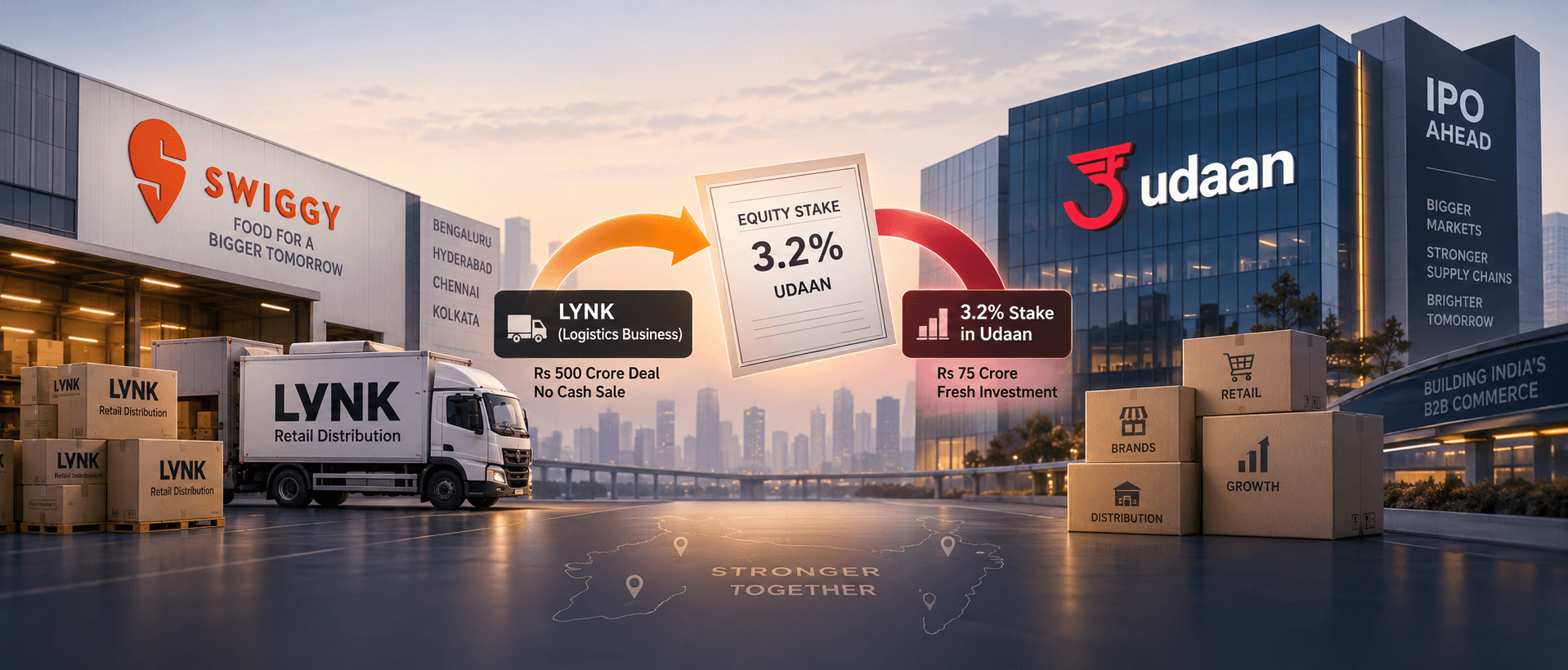
Swiggy Didn't Sell Its B2B Arm for Cash — It Bought Into the Company Buying It
September 9, 2026 5M
Back to News
News AlertWorld of Startup’s
The $2 Million Seed: H2LooP and the AI‑Native Hardware Revolution
V
Author
Vishal Sable
Published
April 8, 2026
Reading Time
9 MIN READ
Spread the Word
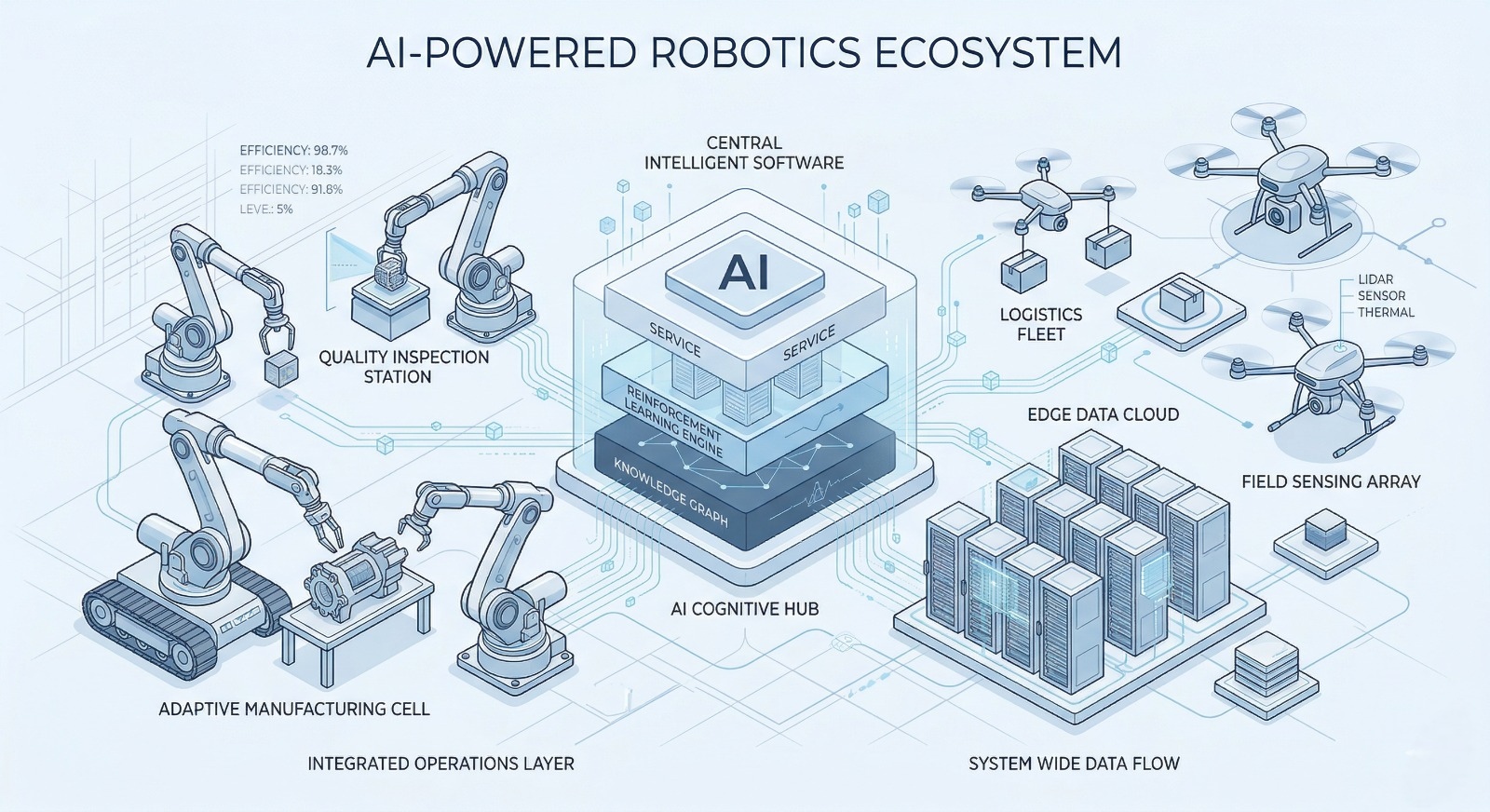
The first piece of news comes from Bengaluru. H2LooP (Hardware & Human in the LooP), an AI‑focused systems engineering startup, has successfully raised $2 million in a seed funding round. The round was co-led by two prominent venture capital firms, Speciale Invest and 3one4 Capital.
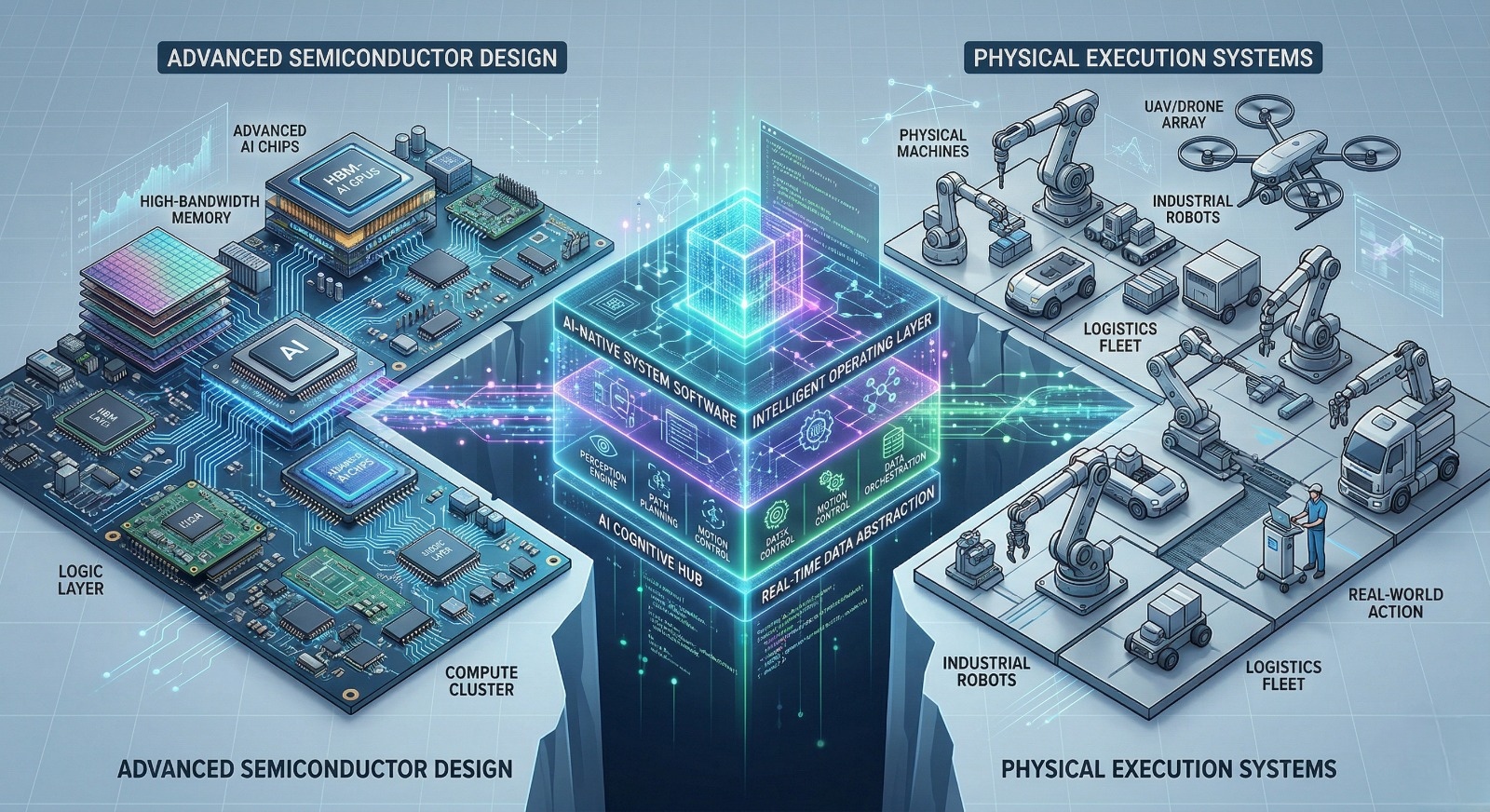
But what does H2LooP actually do? In an era of explosive growth in AI chips and intelligent systems, the software that makes hardware "smart" has lagged behind. H2LooP is building an AI‑native platform to accelerate system software development for complex hardware like robotics, UAVs, and data centers. The platform addresses the critical gap between advancements in chips and the comparatively slower progress in software layers. As the founders, Sairanjan Mishra and Pulkit Agrawal, see it, their platform is a key enabler for high-complexity sectors where system reliability, real-time performance, and data control are non-negotiable.
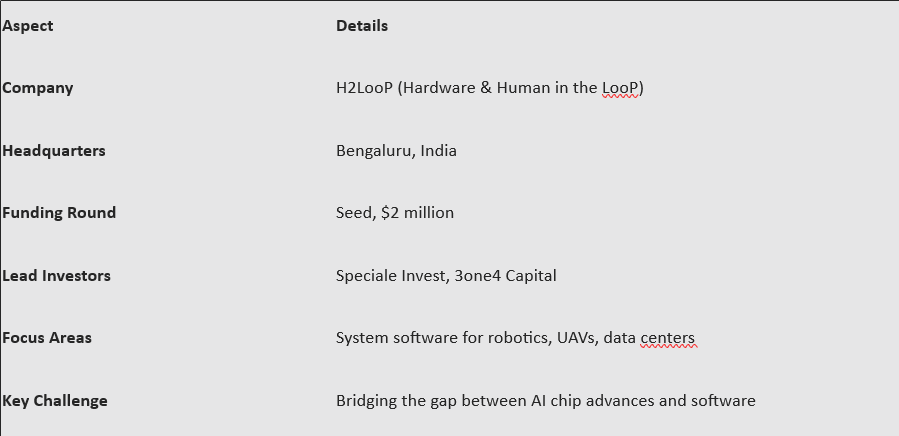
The strategic focus of H2LooP is to drive large-scale enterprise deployments and expand into high‑complexity sectors such as data centers, UAVs, and robotics. The fresh capital will be used to strengthen its core AI-native platform. The table below summarizes the key aspects of the startup.
This development is part of a much larger trend. The demand for "Physical AI" is skyrocketing. We're seeing major moves from established players like Advantech, which is integrating computing, sensing, and software for robotic use cases, to a slew of startups raising significant capital. For instance, Vention raised $110 million to accelerate Physical AI deployment across global manufacturing, and RobCo raised $100 million to scale its autonomous industrial robotics platform. Even the broader robotics ecosystem is thriving, with startups resident at MassRobotics collectively raising over $2 billion in venture funding.
H2LooP's platform is essential for this ecosystem, acting as the crucial software layer that will allow this new generation of intelligent machines to function reliably and at scale.
From Lab to Living Room: Moth Expands to the US with a Vision for Quantum Media
The second major story takes us from the world of nuts-and-bolts robotics to the ethereal realm of quantum computing. Moth, a UK‑based quantum startup, has expanded into the United States, hiring senior leaders from Amazon and IBM to spearhead its growth.
But Moth is not your typical quantum company. While many of its peers are focused on cryptography or pharmaceutical research, Moth is on a mission to move quantum computing out of the lab and into consumer‑facing applications for media and entertainment. Their goal is nothing less than to revolutionize creative expression by harnessing the unique capabilities of quantum technology.
How do they plan to do this? Moth has already developed a portfolio of impressive tools. Their debut offerings include a suite of quantum-powered music production tools: a synthesiser (Actias), a generative music model, and advanced audio‑processing technology. They've also unveiled Quantum Brush, an open‑source digital painting tool that uses quantum computing to create unique artworks.
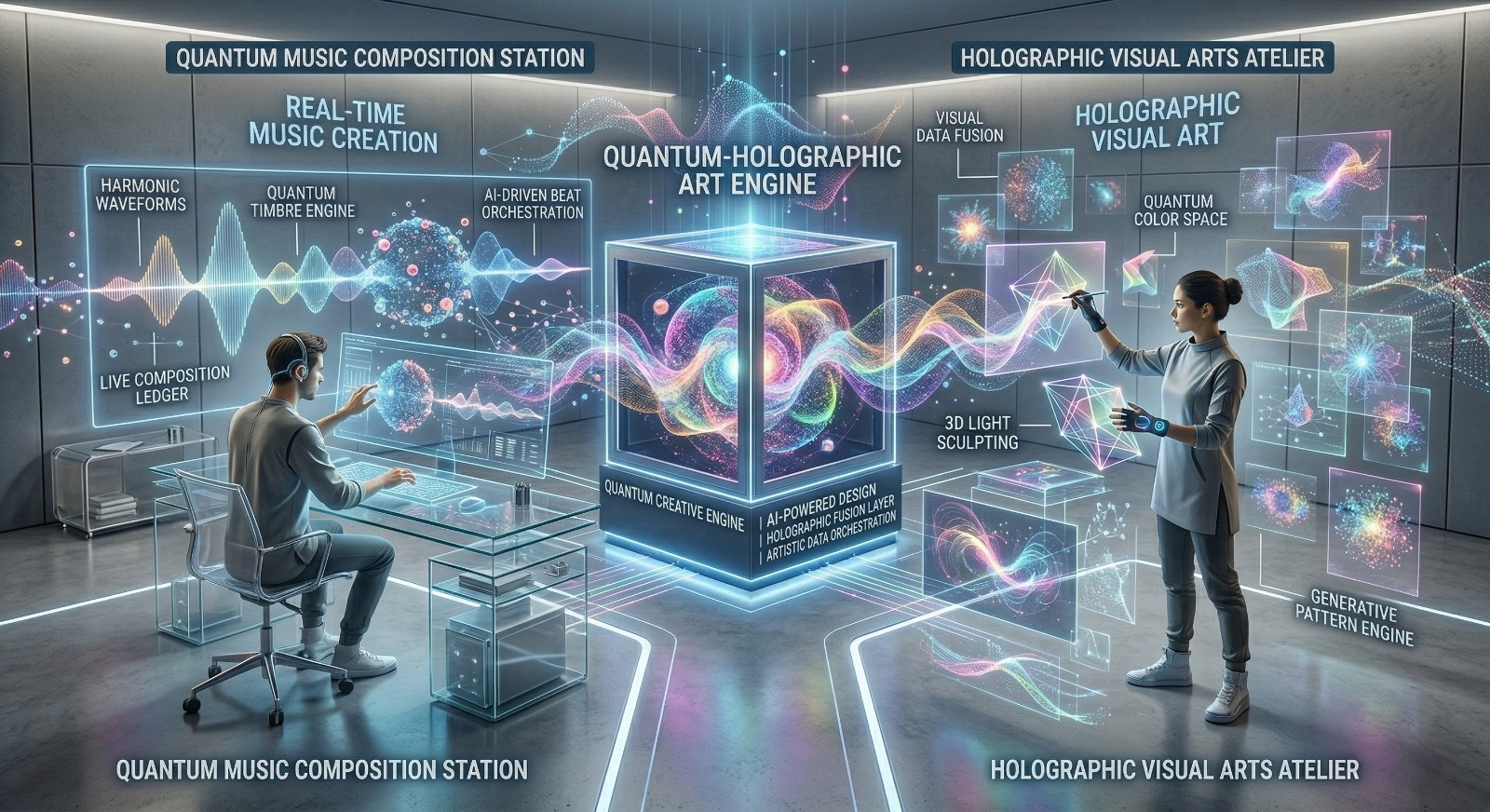
Perhaps their most ambitious project is Space Moths, a quantum‑powered multiplayer game on Roblox that features real‑time level generation powered by IBM and IQM quantum computers. The move into the US market, led by seasoned tech executives, signals Moth's intention to scale these experiments into mainstream products. Their expansion into the US market is a clear signal of intent to bring these quantum-powered creative tools to a global audience.
The Bigger Picture: Why Hardware is the New Software
The developments with H2LooP and Moth are not isolated events; they are the leading edge of a major structural shift in the tech industry. For the past decade, the mantra was "software is eating the world." In 2026, the new reality is that AI is moving into the physical world, and that requires a new class of enabling technologies.
H2LooP represents the "plumbing" of this new world. Its AI‑native platform is the essential middleware that will allow engineers to program and control the next generation of drones, robots, and data centers with the same agility they've come to expect from cloud software. Moth represents the "killer app" for a different kind of hardware—quantum processors. By focusing on creative industries, they are pioneering a consumer market for quantum computing, a move that could accelerate adoption and investment in the entire quantum ecosystem.
For investors and enterprises, the message is clear: the future is physical, and it's being built on a foundation of specialized, AI-native software. The winners in this new landscape will be the companies that can seamlessly integrate the virtual and the real.
Conclusion: The Convergence is Here
Today's news from H2LooP and Moth proves that the convergence of hardware and AI is not a distant promise—it is a present reality. H2LooP is building the essential infrastructure to make smart hardware easier to develop. Moth is demonstrating a bold vision for what that infrastructure can create, bringing quantum computing to the masses through art and entertainment.
The gold rush of purely digital AI is maturing. The next great wave of innovation will be powered by startups that can bridge the gap between code and the physical world.

Vishal Sable
B.Tech AD @ shri balaji institute of technology and management
Engineering and tech journalist. I love exploring the impact of emerging technologies on global defense, sovereignty, and everyday life. Always looking for the real story behind the headlines.