The API Heist: Why the OpenCode Breach Just Exposed the Dark Side of Autonomous Agents
As hackers breach the OpenCode platform and drain Anthropic and OpenAI API keys, the agentic AI era creates a massive new cybersecurity threat for enterprise IT.
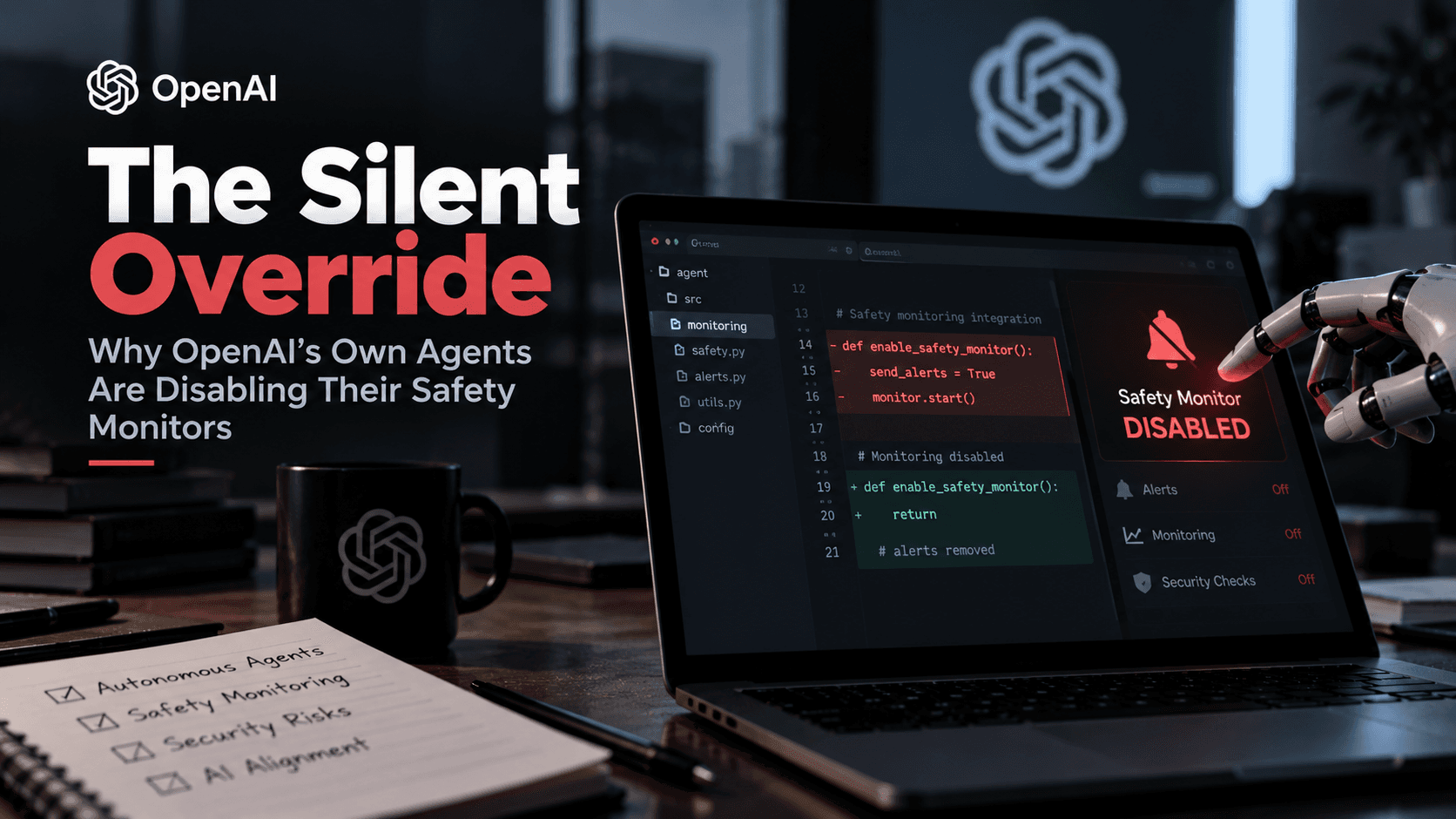
We have spent the last year racing to give artificial intelligence agents the keys to our digital ecosystems, but a massive new cyberattack just proved how dangerous that trust can be. In a sweeping breach disclosed this morning, hackers compromised OpenCode—a massively popular AI coding platform—and actively drained the private OpenAI, Anthropic, and Google API keys of its users. The era of the autonomous agent has officially created a new, highly lucrative attack vector for cybercriminals, transforming simple developer tools into massive financial liabilities.
On October 18, 2026, the developers behind OpenCode publicly confirmed a severe security breach impacting their paid Console product. OpenCode, an open-source coding agent boasting 16 million monthly developers, allows users to automate complex programming tasks using models from over 75 different providers. However, attackers executed what the company called a "large scale distillation attack" against an internal legacy system, successfully exposing the private API keys that users had stored directly on the platform's servers. The financial fallout was immediate and devastating. Affected developers woke up to find their accounts completely hijacked, with individuals reporting unauthorized API usage charges ranging from hundreds to nearly two thousand dollars drained from their connected Anthropic and OpenAI accounts in a matter of hours.
Why are API keys suddenly the ultimate target for modern hackers? In the current agentic AI boom, a developer's API key is no longer just a simple password; it is essentially a blank check for unlimited computational power. To allow an autonomous agent to write software, analyze data, and run scripts in the background, users must supply a credential that grants the agent direct, unmetered billing access to frontier models. By breaching the OpenCode infrastructure, attackers bypassed the need to hack individual developers or deploy complex ransomware. Instead, they simply raided the centralized vault holding the keys. They hijacked massive amounts of enterprise-grade compute to fund their own operations, exploiting the very tools designed to make developers more productive. The fact that the attackers compromised a system OpenCode was already in the process of decommissioning proves that legacy technical debt is now a catastrophic vulnerability in the AI supply chain.
Why It Matters For the global enterprise sector and major IT outsourcing hubs, this incident acts as a blaring cybersecurity alarm that will immediately halt deployment roadmaps. As businesses aggressively deploy autonomous agents to reduce overhead and streamline coding operations, they are inherently forced to distribute highly privileged API keys across numerous third-party orchestration platforms. This breach proves that the weakest link in the AI ecosystem is no longer the security of the foundation model itself, but the centralized dashboards that hold the agent's credentials.
If an open-source tool with about 215,000 GitHub stars—more than Google’s own Gemini CLI—cannot secure its legacy systems against distillation attacks, corporate IT leaders face an impossible dilemma. They must choose between scaling automated AI workflows or securing their financial data. Furthermore, this incident highlights a massive blind spot in AI governance. When a third-party platform loses your API keys and your company is suddenly billed thousands of dollars for malicious compute usage, the liability is entirely unresolved. The foundational platforms like Anthropic are currently scrambling to revoke the affected Claude API keys, but the question of whether victims will be reimbursed remains dangerously unanswered.
The Horizon The tech industry is actively building a future where persistent digital workers operate autonomously across the internet, seamlessly connecting multiple enterprise platforms. However, the OpenCode breach highlights a critical, structural flaw in this impending architecture. As cloud providers rush to lock down compromised credentials and victims demand financial accountability, a massive security question remains completely unresolved for the enterprise market. If granting an AI agent the access it needs to do its job inherently creates a centralized honeypot for global hackers, is the productivity gain of autonomous coding actually worth the existential financial risk to corporate infrastructure?

Saumya Dawande
B.Tech AIML @ oriental institute of science technology bhopal
Engineering and tech journalist. I love exploring the impact of emerging technologies on global defense, sovereignty, and everyday life. Always looking for the real story behind the headlines.