The Universal Coworker: Why Google’s New Gemini Agent Needs Its Own Email Address
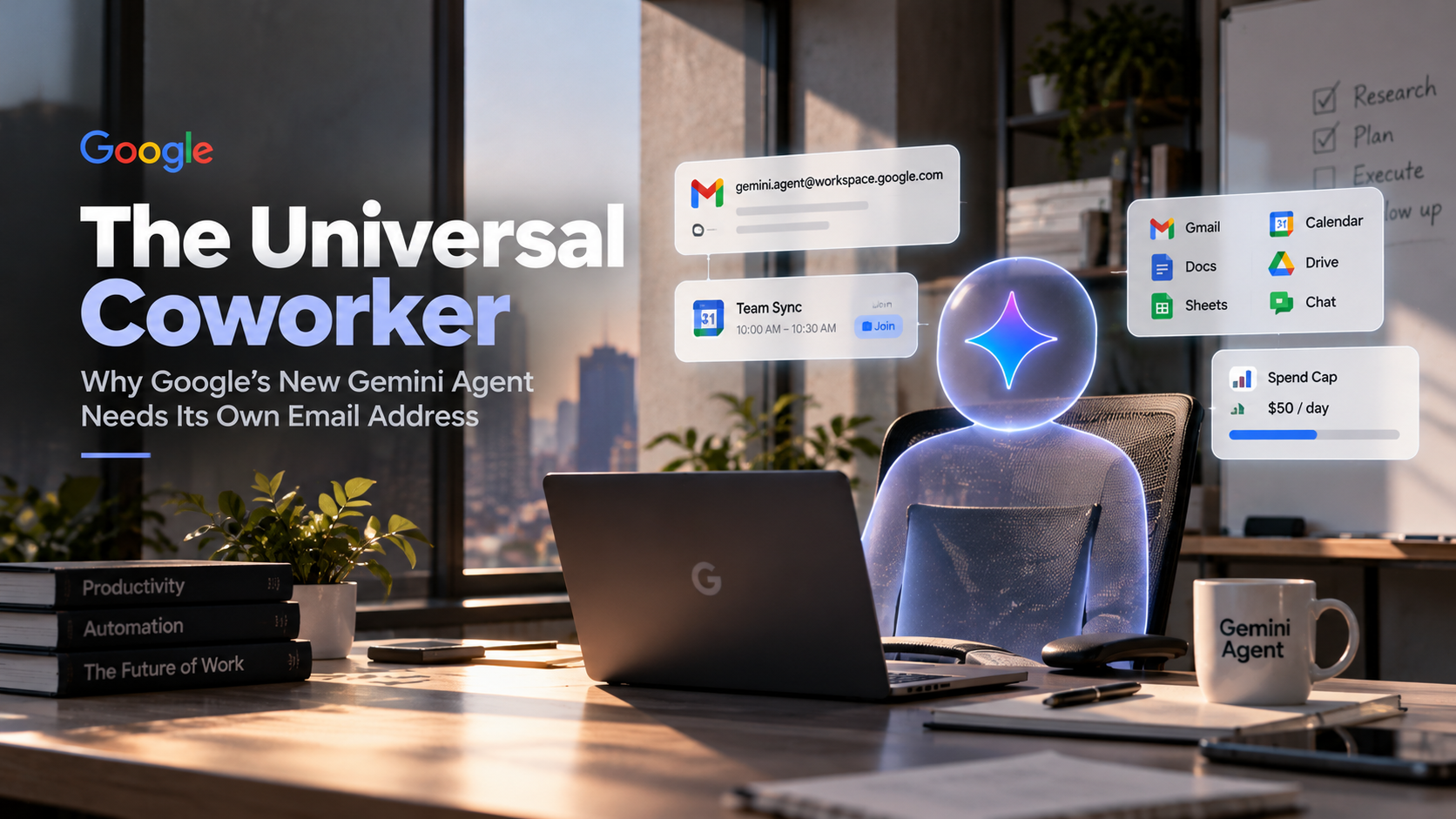
Google Cloud introduces the autonomous Gemini Agent, giving AI its own email address, Workspace account, and spend cap to execute complex enterprise workflows.
For years, artificial intelligence was just a chatbot you logged into to generate text or summarize a document. Today, it is officially becoming a coworker with its own inbox. In a massive shift for enterprise technology, Google Cloud has just unveiled the "Gemini Agent"—a universal, autonomous AI worker that operates with its own dedicated Workspace account, email address, and independent spend cap. This isn't just a simple software upgrade for Google Docs; it is the official arrival of agentic AI in the corporate world, fundamentally blurring the line between human employees and digital software.
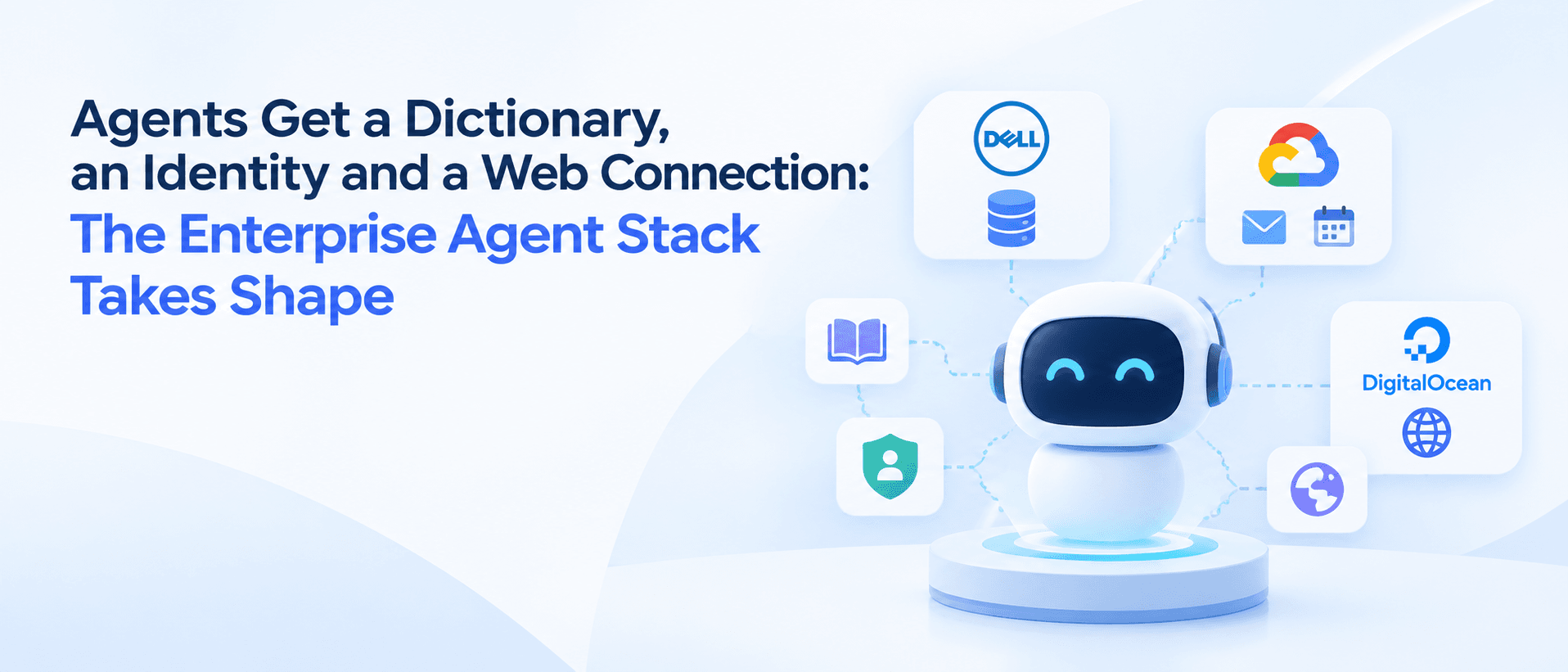
Throughout October 2026, Google initiated a radical transformation of its AI suite, signaling the end of the traditional chatbot era. The centerpiece of this overhaul is the "Gemini agent." Designed as a single, universal agent for work, it integrates seamlessly across Gmail, Docs, Sheets, Chat, Calendar, and even third-party platforms like Slack and Microsoft 365. To achieve true autonomy, Google is granting these agents their own distinct Workspace identities—complete with a working email address, an individual calendar, and a private Google Drive.
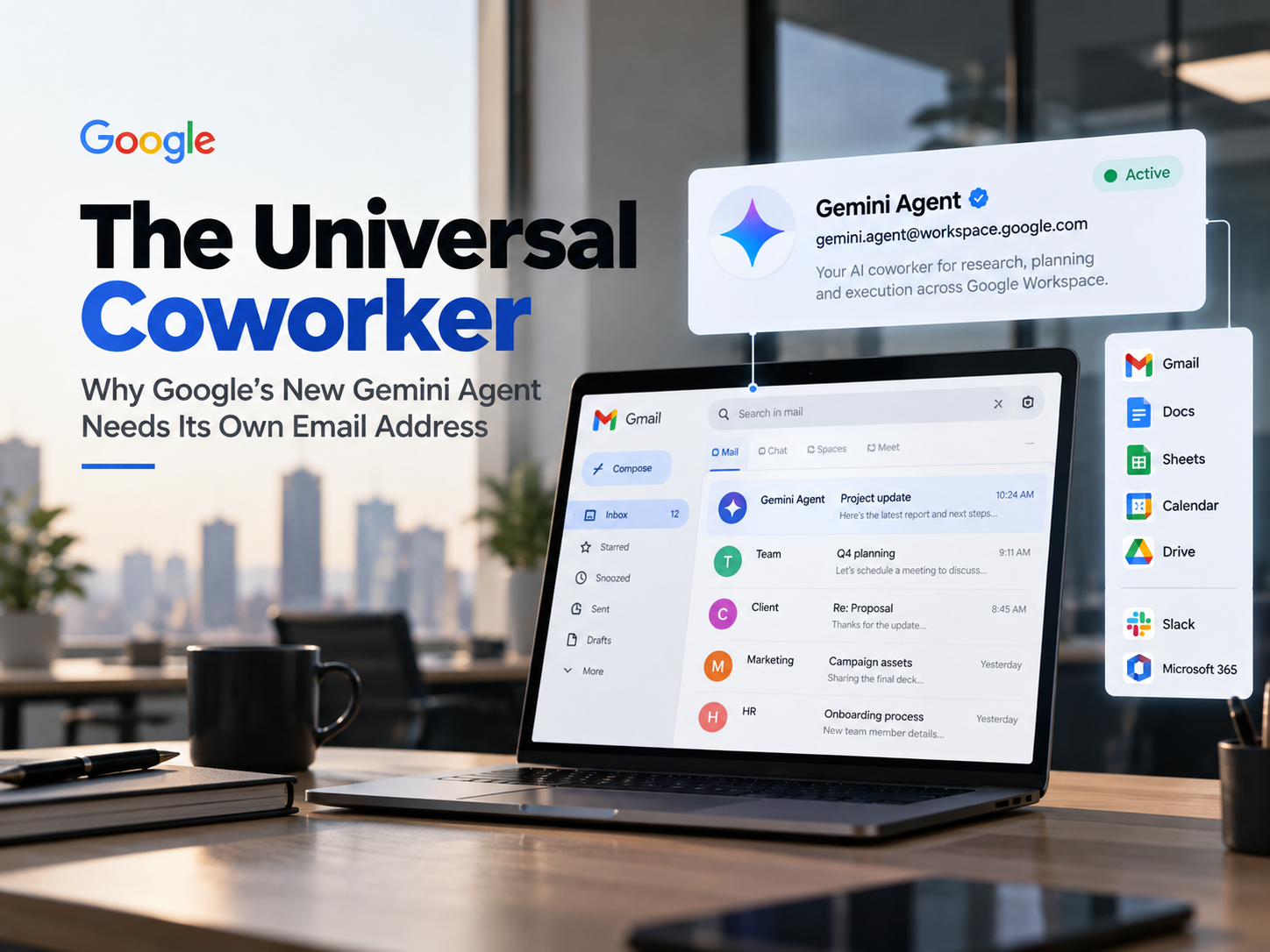
Why is Google suddenly giving software its own corporate email address? The answer lies in the massive structural shift from generative AI to agentic AI. When an AI is merely a tool, it relies on a human user’s identity and permissions to execute a task. This creates massive security and auditing vulnerabilities if the AI makes a mistake or accidentally accesses restricted financial data. By establishing the Gemini Agent as a distinct entity with its own account, Google is solving the enterprise liability problem. The agent acts under its own name, meaning every single action, drafted email, or modified spreadsheet is permanently recorded in an audit log tied directly to the AI, not a human employee.
For the global enterprise sector and major IT outsourcing hubs in India, the deployment of fully independent Gemini Agents represents a seismic operational shift. Organizations that previously relied on massive teams of human administrators to manage inbox triage, calendar scheduling, and basic data entry are now facing a reality where a digital agent can perform these tasks autonomously around the clock. This shift drastically reduces the demand for traditional manual labor but simultaneously creates a massive need for "agent orchestration" experts. Enterprise IT departments must now figure out how to onboard, monitor, audit, and eventually offboard artificial intelligence exactly as they would a temporary human contractor. Additionally, the fact that Google is willingly integrating a major competitor's technology—Anthropic's Claude models—into its own native Workspace agent proves a crucial point about the current tech landscape.
We are entering a surreal era where your next corporate email might not come from a human coworker, but from an autonomous Gemini Agent managing a massive internal project. As Google begins rolling out these universal digital workers across Workspace environments, a critical cultural and security question emerges.

Saumya Dawande
B.Tech AIML @ oriental institute of science technology bhopal
Engineering and tech journalist. I love exploring the impact of emerging technologies on global defense, sovereignty, and everyday life. Always looking for the real story behind the headlines.